
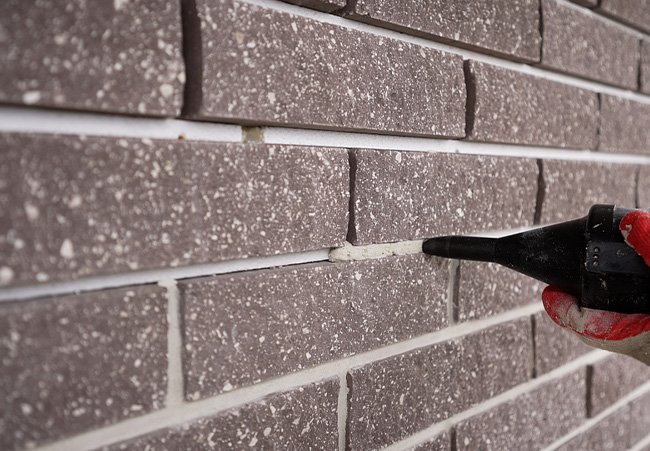
Plastering mortar cracks are one of the most frustrating challenges for construction contractors and dry-mix mortar manufacturers. Whether they appear as minor hairline webs or deep structural fissures, these cracks compromise both the aesthetic finish and the structural integrity of a building.
While curing shrinkage is a natural physical process, severe cracking is not inevitable. By understanding the root causes and optimizing your dry-mix mortar formulation, you can eliminate this issue at the source. This guide explores why plastering mortar cracks occur and how to prevent and repair them effectively.
What Causes Plastering Mortar Cracks?
To effectively solve the problem, we must first categorize the triggers into three main dimensions:
Flaws in the Mortar Formulation
The chemical composition of the plaster is its first line of defense against cracks
- Excessive Water-Cement Ratio: Too much water leads to rapid volume reduction during evaporation, causing plastic shrinkage cracks (spider or hairline cracks).
- Insufficient Polymer Additives: A lack of high-quality adhesives (like RDP) or water-retaining agents (like HPMC) reduces the mortar's tensile strength and its ability to hold moisture during the curing phase.
- Improper Sand Grading: An unbalanced ratio of fine to coarse aggregates weakens the mortar matrix.
Substrate & Installation Issues
- Poor Cement Board Installation: Unaligned joints, improper gap control, or loose fixation to the steel studs.
- Reinforcement Failures: Missing, loose, or incorrectly embedded fiberglass or metal anti-cracking mesh reduces overall structural tensile performance.
- Building Movement: Vibrations from heavy machinery or natural thermal expansion and contraction of the building's structural steel.
Environmental & Curing Factors
- Extreme Temperatures: Construction above 95°F (35°C) causes water to evaporate too quickly. Construction below 44.6°F (7°C) slows strength development and introduces freezing risks.
- Wind and Sun: Direct sunlight or high wind speeds (>5.5 m/s) significantly increase the evaporation rate.
- Inconsistent Curing: Non-uniform moisture levels between the surface and the core of the plaster cause uneven shrinkage.
How to Prevent Plastering Mortar Cracks: The Formulation Approach
Preventing cracks starts at the manufacturing plant and ends at the construction site.
Upgrading the Mortar Mix with Melacoll Cellulose Ethers & RDP
For dry-mix mortar manufacturers, adjusting the formulation is the most long-lasting strategy to prevent cracking.
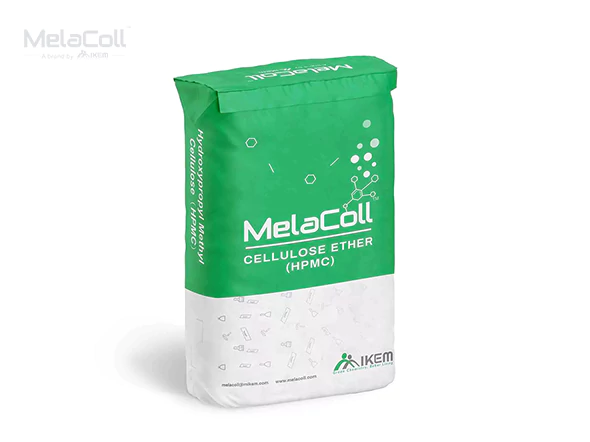
Boost Water Retention: Incorporating Melacoll™ HPMC (Hydroxypropyl Methylcellulose) ensures moisture remains in the mortar longer. This controlled release prevents premature drying and eliminates plastic shrinkage cracks, even in warmer climates.
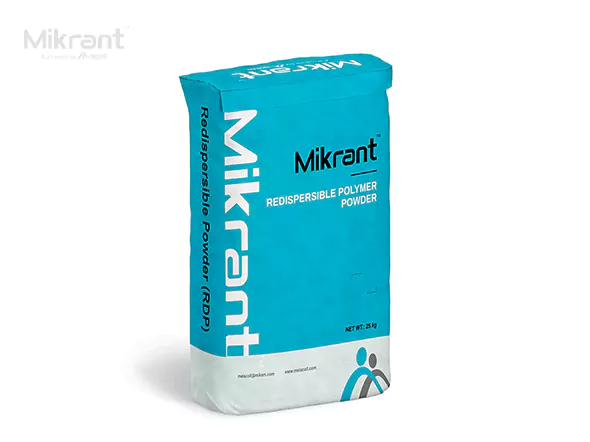
Enhance Flexibility and Adhesion: Adding Mikrant™ RDP (Redispersible Polymer Powder) increases the flexibility of the plaster. It improves the secondary tensile strength, allowing the wall to absorb thermal expansion and contraction stresses without fracturing.
Reinforcing Fibers: Maintaining a 1% to 2% proportion of reinforcing fibers disperses micro-stresses within the mortar structure.
Proper Mesh Reinforcement
Ensure that the metal mesh (scratch coat) is firmly fixed to the cement board, with holes no larger than 400mm × 400mm. Crucially, a layer of alkali-resistant fiberglass mesh must be embedded in the middle of the wet mortar layers—never just attached to the base or the final surface.
Environmental Control & Curing
Maintain construction temperatures between 44.6°F and 95°F. Protect fresh plaster from direct sunlight and strong winds using sunshades. For wet curing, lightly spray the surface with water every few hours over a 7-day period to ensure uniform internal and external hydration.
Step-by-Step Guide to Fixing Plaster Wall Cracks
Using cheap fillers to cover up cracks only works until the next season's thermal shifts. A professional repair follows a strict logic: Inspection → Judgment → Preparation → Reinforcement → Re-construction.
Step 1: Diagnose Structural vs. Non-Structural Cracks
Use a flashlight casting side-light against the wall to check for unevenness.
- Non-structural cracks: Hairline or spider cracks caused by surface shrinkage.
- Structural cracks: Deep fissures indicating loose baseboards, failed mesh, or structural shifting.
Step 2: Base Preparation & Reinforcement
If the underlying cement board is loose, you must mechanically refasten it to the keels before applying any plaster. For uneven base layers, apply a leveling mortar embedded with a new layer of fiberglass mesh to enhance local tensile strength.
Step 3: Repairing with Modified Mortar
For Small Structural Voids (<400x400mm): Drill small holes, humidify the area, and inject a high-strength repair mortar heavily fortified with RDP adhesives and reinforcing fibers.
For Non-Structural Hairline Cracks: Clean the crack and apply a dedicated polymer-modified grouting material. Follow this with a surface interface enhancer (thickener) over the entire wall to increase overall tensile resistance before the final aesthetic coat.
| Parameter | Specification / Requirement |
|---|---|
| Fiberglass Mesh | 12×12 mm, 125 g/m², alkali-resistant glass/polyester fiber. |
| Working Temperature | Strictly between 44.6°F (7°C) and 95°F (35°C). |
| Water-Mix Ratio | Approx. 4.6 – 5.2 L of water per 30 kg of dry mix (adjust based on formulation). |
| Spessore dello strato | 12 – 15 mm per layer (exceeding 15mm increases crack risk). |
| Curing Time | Minimum 7 days of moist maintenance. |
Expert FAQs on Plastering
Q: Why does the flatness of the cement board matter so much?
A: If the substrate board has bumps or is deformed, the plaster layer will vary in thickness. Thicker areas shrink differently than thinner areas, creating immense stress points that inevitably lead to cracking.
Q: How should fiberglass mesh be applied correctly?
A: It must be "sandwiched." Apply the first 4-6mm of plaster, press the fiberglass mesh into the wet mortar, and then apply the next layer. It acts as the skeleton of the mortar.
Q: Can I just add more water to make the mortar easier to apply?
A: Never. Adding water beyond the manufacturer's specification destroys the compressive and tensile strength of the mortar. Instead of water, use high-quality HPMC to improve workability and slip resistance.
Why Choose Melacoll™ for Your Dry-Mix Mortar?
At Melacoll, we understand that superior construction starts at the molecular level. We specialize in high-performance building material additives, providing top-tier HPMC, HEMC, HEC, and RDP solutions specifically engineered for plastering mortars, wall putties, adesivi per piastrelle, e ETCS/EIFS systems.
By upgrading your formulation with Melacoll™ cellulose ethers, you transition from passively repairing cracks to actively preventing them through superior water retention, enhanced adhesion, and optimal workability.Struggling with mortar formulations or looking to upgrade your product's performance?
Contact the Melacoll technical team today for customized additive solutions and professional formulation support!

Inviato da Melacolllasciare le parole
Salve, sono Ella e lavoro nel settore dell'etere di cellulosa da 12 anni. anni.

Lascia una risposta