
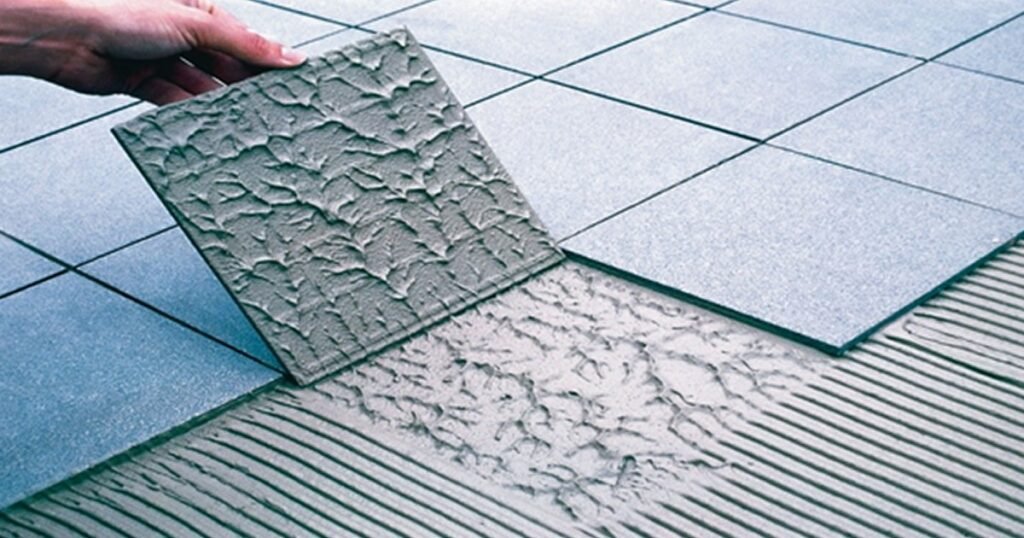
The Evolution of Tile Installation: Why Traditional Methods Are Failing
For decades, the thick-bed installation method using traditional tile mortar was the industry standard. However, the ceramics industry has evolved rapidly. Modern architectural designs heavily favor large-format porcelain, marble, and glass mosaics—materials characterized by incredibly low water absorption rates.
When paired with these dense modern tiles, traditional mortar often fails, leading to tile debonding, cracking, and hollowing. To address these structural failures, the construction chemistry sector developed polymer-modified tile adhesive.
By integrating advanced chemical additives, modern tile adhesives have revolutionized installation efficiency and bond strength. For formulators, contractors, and project managers, understanding the fundamental chemical differences between tile mortar and tile adhesive is the first step toward ensuring long-term structural integrity.
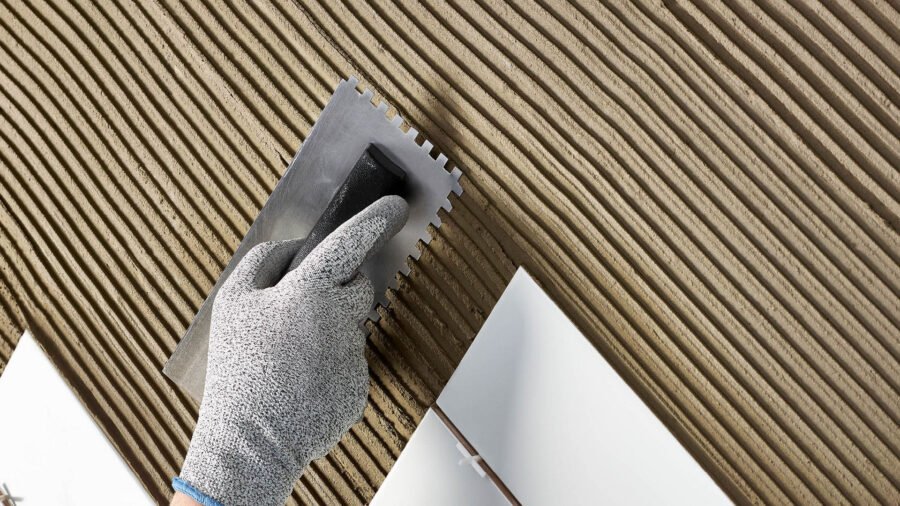
Deconstructing the Composition: What Drives the Adhesion?
The performance gap between these two materials stems entirely from their chemical formulations. The magic doesn't just lie in the cement; it lies in the polymer modifications.
Traditional Tile Mortar
Standard tile mortar relies on a basic mixture: Portland cement, sand, and water.
Its adhesion mechanism is purely physical. As the cement hydrates, it forms crystalline structures that penetrate the pores of the tiles and the substrate, locking them together through mechanical interlocking. While this works adequately for highly porous, old-fashioned ceramic tiles, it lacks the chemical grip necessary for modern, impermeable surfaces.
Polymer-Modified Tile Adhesive (The Modern Standard)
Tile adhesive starts with the same cement and graded sand base, but introduces a sophisticated matrix of chemical additives that completely transform its physical properties:
Redispersible Polymer Powder (RDP): When hydrated, premium RDP forms a flexible polymer film within the cement matrix. This dual physical-chemical bonding significantly amplifies the tensile adhesion strength and grants the adhesive crucial flexibility to accommodate thermal expansion and microscopic substrate shifts.

Cellulose Ethers (e.g., Melacoll™ HPMC): Hydroxypropyl Methyl Cellulose acts as a powerful water retention and rheology modification agent. Melacoll™ HPMC ensures the cement has sufficient moisture for complete hydration, extends the open time, improves slip resistance, and prevents the adhesive from skinning over too quickly under harsh weather conditions.
Starch Ethers & Wood Fibers: These are often included alongside HPMC and RDP to further boost anti-slip performance on vertical walls and mitigate shrinkage cracks during the curing phase.
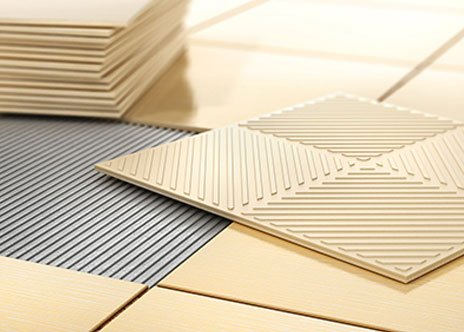
Head-to-Head Comparison: Tile Mortar vs. Tile Adhesive
| Functie | Traditional Tile Mortar | Polymer-Modified Tile Adhesive |
| Bonding Mechanism | Mechanical interlocking only | Mechanical + Chemical bonding |
| Tensile Bond Strength | Low (~0.5 - 1.0 MPa) | High (> 1.5 MPa, up to 2.5+ MPa) |
| Application Method | Thick-bed (approx. 20mm) | Thin-bed (approx. 3mm - 6mm) |
| Flexibiliteit | Rigid, prone to shrinkage cracking | High flexibility, accommodates substrate movement |
| Waterbestendigheid | Porous, vulnerable to long-term moisture | Highly dense, excellent weather and moisture resistance |
| Tile Preparation | Requires pre-soaking of tiles | No pre-soaking required |
Why Modern Construction Demands Tile Adhesive
1. Superior Adhesion for Low-Porosity Materials
Modern porcelain and glass tiles have water absorption rates close to zero. Traditional mortar simply cannot penetrate these surfaces. Tile adhesive, empowered by polymer films from high-quality RDP, chemically adheres to these smooth surfaces, easily achieving bond strengths exceeding 1.5 MPa and eliminating the risk of tiles falling off walls.
2. The Efficiency of the Thin-Bed Method
Tile mortar requires a thick application (often up to 20mm) to compensate for its poor water retention. In contrast, the robust water retention provided by high-grade HPMC allows tile adhesive to be applied using the thin-bed method (typically 3-6mm). This drastically reduces material consumption, decreases the dead load on the building structure, and speeds up the construction process by up to three times.
3. Durability in High-Stress Environments (Showers & Backsplashes)
In wet zones like kitchen backsplashes and bathrooms, materials face constant humidity and temperature fluctuations. Tile mortar is highly porous; water ingress causes the cement to degrade, leading to powdering. The dense microstructure created by RDP in tile adhesives acts as a hydrophobic barrier, ensuring long-term bond stability even under continuous moisture exposure.
Elevating Formulation Quality with Melacoll Premium Additives
The ultimate performance of any tile adhesive is dictated by the purity, stability, and consistency of its chemical additives. Excellent workability and unyielding bond strength do not happen by accident.
For dry-mix mortar formulators seeking to capture market share and produce top-tier adhesives, utilizing premium-grade additives from a trusted manufacturer is non-negotiable. Melacoll specializes in the research, development, and production of high-performance Hydroxypropylmethylcellulose (HPMC) en Herdispergeerbaar polymeerpoeder (RDP) tailored specifically for the construction chemicals industry.
Manufactured under stringent global standards—including ISO, HALAL, and KOSHER certifications—Melacoll™ additives guarantee that every batch of your tile adhesive delivers exceptional water retention, superior sag resistance, and optimal open time.
By upgrading formulations with Melacoll's advanced cellulose ethers and polymer powders, manufacturers can significantly reduce on-site rework rates, accelerate project timelines, and guarantee structural safety for modern architectural designs.
Ready to upgrade your tile adhesive formulation? Contact Melacoll's Technical Team today to request a sample of our premium HPMC and RDP products.

Geplaatst door Melacollwoorden achterlaten
Hallo, ik ben Ella, ik werk al 12 jaar in de cellulose-etherindustrie. jaar.

Laat een reactie achter