
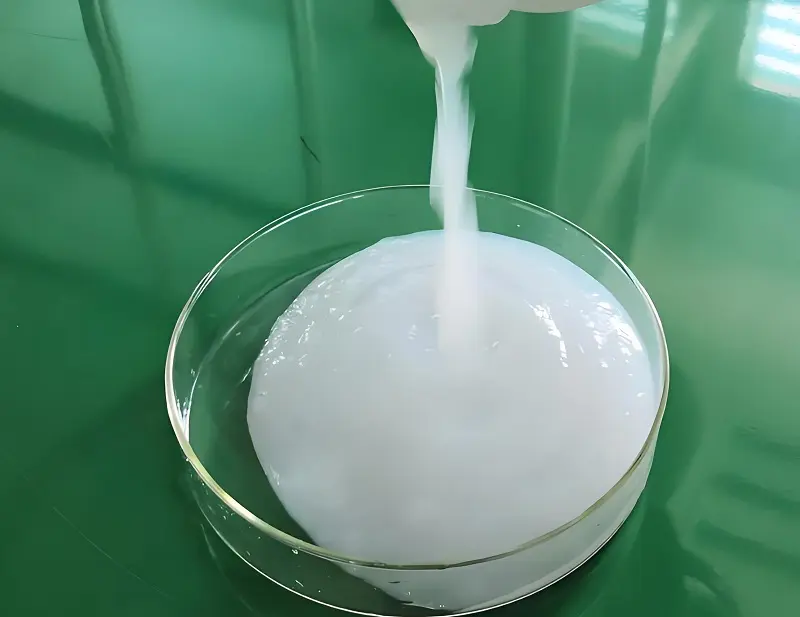
Cellulose ethers are among the most widely used additives in modern industries, especially in construction materials. Derived from natural plant cellulose, they are non-toxic, biodegradable, and highly versatile.
Among them, HPMC (Hydroxypropyl Methyl Cellulose) and HEMC (Hydroxyethyl Methyl Cellulose) are the two most commonly used types in dry mix mortar, tile adhesives, coatings, and even pharmaceuticals.
Although they share similar origins, their chemical structure, performance, and application behavior differ significantly.
This article provides a complete breakdown of the core differences between HPMC and HEMC, helping you make the right material choice for your application.
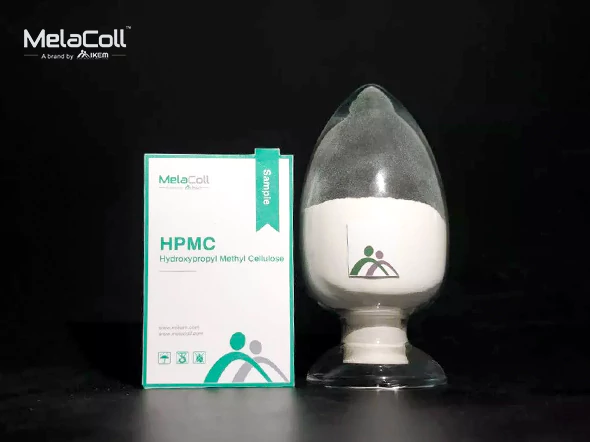

What Are HPMC and HEMC?
Both HPMC and HEMC are modified cellulose derivatives produced through etherification of natural cellulose.
- HPMC: Modified with hydroxypropyl + methyl groups
- HEMC: Modified with hydroxyethyl + methyl groups
This small structural difference leads to major differences in performance.
Chemical Structure and Property Differences
Cellulose ethers are widely valued for their multifunctional properties, including thickening, water retention, film formation, and lubrication. Because of these features, they are extensively used in applications such as dry mix mortar, tile adhesives, and coatings.
Although HPMC and HEMC belong to the same category, they exhibit noticeable differences in their physical and chemical behavior.
1. Substituent Groups
- HPMC (Hydroxypropyl Methyl Cellulose) Contains hydroxypropyl groups, which contribute to its thermal gelation behavior.
- HEMC (Hydroxyethyl Methyl Cellulose) Contains hydroxyethyl groups, which provide stronger hydrophilicity, resulting in better water solubility and salt resistance.
2. Solubility
Both HPMC and HEMC are soluble in cold water, but they differ in dissolution speed and solution stability.
- HPMC dissolves relatively slowly and usually requires proper dispersion to avoid lump formation. It is soluble in cold water but almost insoluble in organic solvents.
- HEMC, on the other hand, dissolves more quickly and forms more stable solutions. It is easily soluble in cold water but remains insoluble in hot water.
One key advantage of HEMC is its superior salt tolerance. In systems containing electrolytes, HEMC is less likely to precipitate, making it more reliable in challenging environments.
3. Gel Temperature
Gel temperature is an important parameter when evaluating cellulose ethers.
- HPMC exhibits clear thermal gelation behavior, forming a reversible gel at temperatures between 60–90°C.
- HEMC does not show thermal gelation and remains stable even at elevated temperatures.
In general, HPMC has a defined gel point, while HEMC offers better thermal stability in high-temperature applications.
4. Water Retention
Water retention plays a critical role in determining the workability and final strength of construction materials.
- HPMC provides reliable water retention performance.
- HEMC delivers even higher water retention capacity due to stronger interaction with water molecules.
As a result, HEMC can significantly reduce water evaporation, extend open time, and improve the overall stability of the material during application.
5. Viscosity and Rheology
The rheological behavior of cellulose ethers directly affects application performance.
- HPMC typically offers higher viscosity, making it suitable for systems that require strong thickening effects.
- HEMC provides better flowability and improved anti-sagging performance, especially in vertical applications.
Thanks to its shear-thinning behavior, HEMC allows for smoother and easier application, enhancing construction efficiency.

Mechanistic Differences Between HPMC and HEMC
Thickening Mechanism
- HPMC: Its molecular chains extend in water to form a hydrated layer, increasing the fluid’s resistance and providing strong thickening.
- HEMC: The linear molecular structure exhibits shear-thinning behavior, allowing the material to flow more smoothly during application.
Water Retention
- HPMC: Hydrophilic groups attract and hold free water, slowing evaporation and maintaining workability.
- HEMC: Hydroxyethyl groups strengthen hydrogen bonding, enhancing water-locking capacity for superior retention.
Stability
- HPMC: Thermal gelation helps protect high-temperature suspensions, ensuring consistent performance in hot conditions.
- HEMC: Enhanced resistance to salts and enzymatic degradation maintains long-term viscosity and durability, even in challenging environments.
Applications in the Construction Industry
In the construction sector, both HPMC and HEMC serve as thickeners, water retention agents, and performance enhancers, but their applications differ based on their unique properties.
HPMC Applications
HPMC (Hydroxypropyl Methyl Cellulose) is widely used in:
- Cement mortars
- Tile adhesives
- Putty powders
Its primary functions include:
- Enhancing water retention
- Extending open time during application
- Improving overall workability and consistency
Limitation: In environments with high salt content or strong alkalinity, HPMC can be less stable and prone to flocculation, particularly when exposed to multivalent metal ions like calcium (Ca²⁺).
HPMC also finds applications beyond construction:
- Pharmaceuticals: As a matrix for controlled-release tablets or a film-forming agent in eye drops
- Cosmetics: As a thickening agent
- Industrial uses: In PVC suspension polymerization, ceramic binders, and food preservation coatings
HEMC Applications
HEMC (Hydroxyethyl Methyl Cellulose) is better suited for high-performance construction applications, including:
- Exterior insulation mortars
- Waterproof putty
- Advanced coatings
Its advantages are:
- Superior water retention, reducing the need for additional curing
- Excellent anti-sagging properties for coatings and adhesives
- Outstanding weather resistance and mold protection
These properties make HEMC particularly effective in humid environments and challenging construction conditions, where consistent performance and durability are critical.
HEMC is also used in other industries:
- Pharmaceuticals & Cosmetics: As a stabilizer in topical formulations like ointments, maintaining viscosity even after high-temperature sterilization
- Industrial applications: In oil drilling fluids, where salt resistance is essential, and in water-based coatings requiring high shear viscosity and anti-sagging performance



Key Differences Summary
| Aspect / Property | HPMC | HEMC |
|---|---|---|
| Primary Construction Uses | Cement mortars, tile adhesives, putty powders | Exterior insulation mortars, waterproof putty, advanced coatings |
| Key Functions | Water retention, extended open time, improved workability | Superior water retention, anti-sagging, weather & mold resistance |
| Stability | Moderate; sensitive to high salts and strong alkalinity | High; resistant to salts, temperature, and chemicals |
| Ideal Environments | Standard construction conditions | Humid or challenging construction environments |
| Other Industry Uses | Pharmaceuticals, cosmetics, industrial applications (PVC, ceramics, food coatings) | Pharmaceuticals, cosmetics, oil drilling, water-based coatings |
| Workability | Moderate | Superior |
| Water Retention | Good | Excellent |
| Cost Consideration | More cost-efficient | Premium/high-performance applications |
How to Choose Between HPMC and HEMC
Selecting the right cellulose ether depends on your application requirements and environmental conditions. Here’s a practical guide:
When to Use HPMC
HPMC is ideal if your priority is cost-efficiency and standard performance. Consider HPMC when you need:
- Strong thickening and water retention for standard mortars, tile adhesives, or putty powders
- Controlled-release properties for pharmaceutical formulations
- A reliable, economical solution for general construction applications
Practical examples:
- Controlled drug release systems – HPMC’s thermal gelation supports consistent release
- Cost-sensitive mortar production – provides basic performance at lower cost
When to Use HEMC
HEMC is the better choice for high-performance applications, especially in challenging or demanding environments. Use HEMC when you require:
- Superior workability and flow for advanced mortars and coatings
- High water retention to reduce curing requirements
- Excellent resistance to salts, moisture, and temperature fluctuations
- Durability for exterior walls or high-performance construction projects
Practical examples:
- Exterior wall systems or high-temperature environments – HEMC ensures durability and weather resistance
- High-salinity systems (e.g., oil drilling fluids or marine coatings) – maintains stability and performance
Summary:
- HPMC → Cost-effective, standard performance, suitable for routine mortars and pharmaceutical applications
- HEMC → High-performance, durable, moisture- and salt-resistant, ideal for challenging construction conditions
Frequently Asked Questions (FAQ)
1. What is the main difference between HPMC and HEMC?
HPMC contains hydroxypropyl groups, offering strong thickening and thermal gelation. HEMC has hydroxyethyl groups, providing superior water retention, salt resistance, and flowability.
2. Which cellulose ether is better for high-performance construction?
HEMC is ideal for high-performance applications, especially in humid, exterior, or challenging environments, due to its durability, water retention, and anti-sagging properties.
3. Can HPMC be used in pharmaceuticals?
Yes. HPMC is widely used in controlled-release tablets, film coatings, and eye drops because of its thermal gelation and non-toxic profile.
4. Is HEMC more expensive than HPMC?
Typically, yes. HEMC is considered a premium cellulose ether for demanding applications, while HPMC is cost-efficient for standard construction use.
5. How do I choose between HPMC and HEMC for tile adhesives?
Use HPMC for standard tile adhesives where cost-efficiency is important. Choose HEMC for high-performance adhesives that require superior workability, anti-sagging, and water retention.
6. Are both HPMC and HEMC soluble in water?
Yes, both are cold water-soluble:
- HPMC dissolves slower and requires careful dispersion.
- HEMC dissolves faster and forms stable solutions with better salt tolerance.
7. What construction materials commonly use HPMC?
- Cement mortars
- Tile adhesives
- Putty powders
8. What construction materials commonly use HEMC?
- Exterior insulation mortars
- Waterproof putty
- Advanced coatings

Posted by Melacollleave words
Hi, I'm Ella, I have been engaged in the cellulose ether industry for 12 years.

Leave a Reply