

Hydroxyethyl cellulose (HEC) is a water-soluble, nonionic polymer derived from natural cellulose. With its exceptional thickening, stabilizing, moisturizing, and film-forming properties, it has become one of the core excipients in skincare formulations, widely used in various products such as lotions, creams, masks, and serums. This article comprehensively analyzes the standardized usage guidelines for HEC in skincare products across four dimensions: application scenarios, quality requirements, formulation ratios, and practical implementation details.
I. Hydroxyethyl Cellulose in Skin Care of Core Application Scenarios
HEC's role in skincare products extends beyond simple thickening. It synergistically enhances product performance and user experience through multifunctional capabilities, with applications falling into four core scenarios:
(1) Thickening and Rheology Control
This represents HEC's most fundamental and core application. Its molecular chains form a three-dimensional network structure in aqueous solutions, significantly enhancing product viscosity while precisely regulating rheological properties. This prevents emulsions and serums from being too runny for convenient dispensing, while also avoiding excessive stickiness that hinders the spreadability of creams and masks.
For instance, adding an appropriate amount of HEC to serums imparts a delicate, silk-like texture and enhances the moisturizing sensation during application. In foundations and BB creams, it optimizes spreadability for a smoother, more natural finish. Additionally, HEC's nonionic nature ensures stable thickening effects across a pH range of 3-11, making it compatible with most skincare formulations' acid-base systems.
(2) Stabilization and Emulsification Support
In emulsion-based skincare products like lotions and creams, HEC functions as an emulsifying stabilizer. It helps maintain uniform dispersion between oil and water phases, preventing issues like separation, emulsion breakdown, and sedimentation during the product's shelf life. Its molecular chains adsorb at the oil-water interface, strengthening the interfacial membrane and enhancing overall system stability.
For instance, in moisturizing lotion formulations, HEC synergizes with emulsifiers to uniformly disperse oil components in the aqueous phase, creating a fine, stable emulsion texture that resists deterioration even after cold storage or repeated shaking. Additionally, in pigmented skincare products (e.g., blush creams, eyeshadow bases), HEC improves pigment dispersion, preventing agglomeration and sedimentation to ensure even, long-lasting color.
(3) Moisturization and Film-Forming Protection
The hydroxyl groups on HEC's molecular chain exhibit strong hydrophilicity, rapidly adsorbing atmospheric moisture to form a breathable hydrating film on the skin surface. This reduces water evaporation and prolongs moisturization duration. This film not only locks in moisture but also shields against external irritants like dust and pollutants. Simultaneously, it enables controlled release of active ingredients, allowing skincare components to deliver sustained benefits.
For instance, incorporating HEC into moisturizing masks or hand creams synergizes with hydrating agents like glycerin and sodium hyaluronate, significantly enhancing product nourishment and moisture retention—particularly suited for dry skin.
(4) Other Extended Applications
In color cosmetics like mascara and liquid eyeliner, HEC increases viscosity and setting power, preventing smudging and running during application. In setting sprays, its film-forming properties help the product adhere better to the skin surface, improving makeup longevity. In cleansing products like scrubs, HEC optimizes particle dispersion, preventing agglomeration of exfoliating particles that could cause excessive friction damage to the skin.
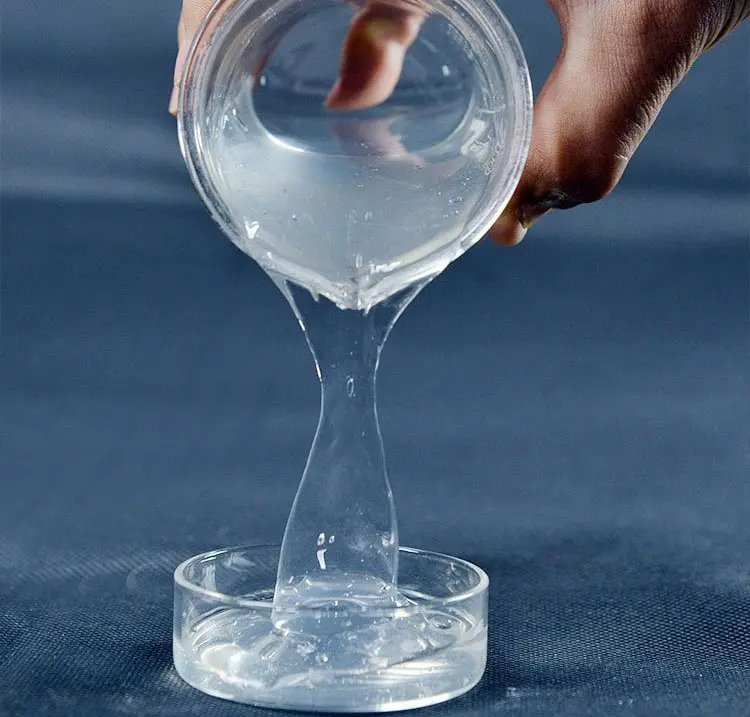
II. Core Quality Requirements for Cosmetic-Grade Hydroxyethyl Cellulose
Cosmetics come into direct contact with the skin, demanding exceptionally high standards for ingredient safety, purity, and performance stability. Based on industry standards and practical experience, cosmetic-grade HEC must meet the following core requirements to ensure product safety and efficacy:
(1) Safety Requirements: Non-irritating, low residue, and highly compliant
Toxicological Safety: Must be certified by the Cosmetic Ingredient Review (CIR) to confirm no skin harm or systemic toxicity at typical usage concentrations. While HEC's large molecular weight limits skin barrier penetration and prevents toxicity during normal use, strict control of impurity residues is essential.
Residue Control: Ethylene oxide residue must be strictly limited to ≤0.0001% during production to prevent skin irritation. Heavy metal content (lead, mercury, arsenic, etc.) must comply with the Cosmetic Safety Technical Specifications, not exceeding 0.1mg/kg. Harmful impurities like formaldehyde and polycyclic aromatic hydrocarbons are prohibited.
Compliance Certification: Must comply with China's “Information on the Use of Cosmetic Ingredients Already on the Market,” “Cosmetic Safety Technical Specifications,” and relevant international standards. HEC used in sensitive skin and children's skincare products must additionally pass low-irritation testing.
(2) Compatibility with Skincare Formulation Characteristics
Appearance and Purity: Should be white or slightly yellow fibrous powder or granules, odorless, free of lumps; loss on drying ≤5.5%, ash content ≤6.0%, purity ≥99% to prevent impurities from affecting formulation stability.
Viscosity Characteristics: Viscosity range must be precisely selected based on product requirements (typically 200–100,000 mPa·s). For example, serums suit low-viscosity HEC (200–500 mPa·s), while creams and masks suit medium-to-high viscosity HEC (5,000–50,000 mPa·s). Viscosity stability must remain strong across varying temperatures (5–40°C) and pH (5.5-7.0, matching skin's natural pH) without significant fluctuations.
Water Solubility & Dissolution Rate: Rapid dispersion and dissolution in cold water without noticeable clumping. Dissolved solution exhibits high light transmittance, free from turbidity or precipitation, ensuring clear and uniform skincare textures. For delayed-dissolution HEC, control dissolution time per formulation requirements to avoid production efficiency impacts.
(3) Compatibility with Diverse Formulation Ingredients
Must exhibit excellent compatibility with common skincare ingredients (humectants, emulsifiers, surfactants, plant extracts, preservatives, etc.), without triggering chemical reactions or diminishing product efficacy. For instance, blending with cationic guar gum enhances anti-static properties in hair care products, while pairing with xanthan gum optimizes gel elasticity. However, prior compatibility testing is essential to prevent issues like abnormal viscosity or separation.
III.Hydroxyethyl Cellulose Formulation Concentration Guidelines
The concentration of HEC in formulations directly impacts product texture, stability, and safety. It must be precisely adjusted according to skincare product type, functional requirements, and compatible ingredients. The core principle is “meeting functional needs while maintaining concentrations within safe ranges.” The internationally and domestically agreed-upon safe concentration range is 0.1%-5%, with children's skincare products requiring concentrations below 1%. Specific concentration ranges for different product types are as follows:
(1) Low Concentration Applications (0.01%-0.1%): Lightweight Textured Products
Suitable for products with light textures and high fluidity. Primarily serves to mildly thicken and assist in stabilization without compromising the product's refreshing feel. Examples:
Serums, Toners: 0.02%-0.05% concentration. Only requires slight viscosity enhancement to ensure even dispersion of active ingredients while maintaining a refreshing, easily absorbed texture. Some lightweight toners may use as low as 0.01%-0.02%.
Setting sprays, lightweight lotions: 0.05%-0.1% concentration enhances adhesion and stability, prevents runniness, and minimizes skin burden.
(2) Medium Concentration Application (0.1%-2%): Conventional Skincare Products
Suitable for most conventional skincare products, balancing thickening, stabilizing, and moisturizing functions. This is the most commonly used concentration range. Examples:
Conventional lotions and creams: 0.5%-2% concentration. Lightweight lotions: 0.5%-1%; Rich creams: 1%-2%. This balances product texture and moisturizing efficacy, preventing excessive stickiness or thinness.
Masks (non-gel types): 0.4%-1.5% concentration. For example, sheet mask essences contain 0.4%-0.8%, while non-gel spreadable masks contain 1%-1.5%. This enhances serum adhesion while providing hydration and sustained-release effects through film-forming properties.
Shampoo & Conditioner: 0.3%-0.8% (shampoo), 0.5%-0.6% (conditioner). Increases viscosity and foam stability, optimizes rinsing smoothness, and prevents residue from excessive usage.
(3) High Concentration Applications (2%-5%): Special Texture Products
Suitable for specialized products requiring strong thickening and film-forming properties. Concentration must be strictly controlled to prevent skin tightness or irritation. Examples:
Gel-based skincare (e.g., aloe vera gel, moisturizing gels): 2%-3% concentration imparts a rich gel texture and enhances film-forming hydration. Certain high-viscosity gels may increase to 3%-5%, but must be paired with other moisturizing ingredients to alleviate tightness.
Mascara, liquid eyeliner: 2%-4% concentration achieves shaping effects through strong thickening, preventing smudging and running.
(4) Reference Formulation Ratios for Special Blends
When blending HEC with other colloids, reduce individual ingredient concentrations to avoid excessive total levels that compromise skin feel. Examples:
HEC + Xanthan Gum blend (mask formulation): Total concentration controlled at 1%-2% (HEC 0.8%-1.2% + Xanthan Gum 0.2%-0.8%); HEC + cationic guar gum blend (conditioner formulation), total concentration not exceeding 0.8% (HEC 0.5% + cationic guar gum 0.2%-0.3%).
IV. Usage Methods and Core Precautions for Hydroxyethyl Cellulose in Skin care
The standardized application of HEC in skincare products hinges on mastering scientific usage procedures and critical risk control points. The following sections will break down details from two dimensions—“Standard Usage Methods” and “Core Precautions”—combined with practical scenarios to ensure stable product efficacy and usage safety.
(I) Core Usage Method: Step-by-Step Standardized Operation
HEC application must follow the entire process of “pre-treatment → dissolution → formulation → finished product testing.” Each stage requires strict parameter control to prevent product quality issues. Specific steps are as follows:
Pre-Treatment: Raw Material and Tool Preparation
(1) Raw Material Selection: Choose HEC specifications suited to product type—low-viscosity HEC (200-500 mPa·s) for lightweight products (serums, toners), medium-viscosity (2000-5000 mPa·s) for standard emulsions/ creams: medium viscosity (5000-20000 mPa·s); gel products: high viscosity (20000-50000 mPa·s). Ensure all raw materials meet CIR certification standards and comply with heavy metal and ethylene oxide residue limits.
(2) Tool Preparation: Prepare dry, clean mixing equipment (speed adjustable to 1000-2000 rpm), sieves (80-100 mesh), and storage containers (airtight and corrosion-resistant). Avoid contamination of raw materials by residual moisture or impurities in tools.
(3) Pre-mixing (optional): If HEC tends to clump during direct dissolution, pre-mix it thoroughly with a small amount of anhydrous humectant (glycerin or propylene glycol, ratio 1:1–1:2) to form a dry powder mixture, enhancing subsequent dissolution efficiency.
Dissolution: Precise Control of Key Parameters
(1) Mainstream Dissolution Method (Cold Water Dispersion): This method is prioritized for compatibility with room-temperature skincare formulations. Steps: ① Add a predetermined volume of cold water (purified water; avoid tap water due to impurities) to the container. ② Initiate stirring (initial speed 1000 rpm), maintaining uniform water flow rotation. ③ Slowly sift HEC powder (or pre-mixed dry powder) through a sieve in multiple small batches to avoid bulk addition; ④ Stir continuously for 30-60 minutes until complete dissolution, achieving a clear, transparent solution free of particles or lumps.
(2) Auxiliary Dissolution Method (Low-Temperature Heating): For highly viscous, poorly soluble HEC, maintain water temperature at 30–40°C (strictly avoid exceeding 40°C to prevent HEC degradation). Repeat the stirring and addition steps from the cold water dispersion method; dissolution time can be reduced to 20–30 minutes.
(3) Stock Solution Preparation Method (for batch production): For frequent production, prepare a 2%-3% HEC stock solution (not exceeding 2.5% for high-viscosity grades). After dissolution, add a composite preservative (e.g., phenoxyethanol + ethylhexylglycerin), store sealed under refrigeration (2-8°C), and dilute according to the formulation ratio when using. The stock solution should not be stored for more than 7 days.
Compatibility: Synergistic blending with other ingredients
(1) Addition sequence: Dissolved HEC solution must be added later in the formulation—first incorporate aqueous phase ingredients (humectants, purified water, etc.), then add HEC solution and mix thoroughly. Finally, add oil phase, emulsifiers, preservatives, and active ingredients. Avoid direct contact with strongly alkaline or oxidizing components.
(2) pH Adjustment: After adding HEC, measure the system pH and adjust to 5.5–7.0 using citric acid or sodium hydroxide (matching skin's natural pH range and ensuring HEC's optimal stability). Avoid pH < 5.5 (causing clumping) or pH > 7.0 (causing viscosity reduction).
(3) Synergistic Blending: When blending with other colloids (xanthan gum, guar gum), reduce the concentration of each individual component (total concentration not exceeding 2%). After thorough mixing, let the mixture stand for 10-15 minutes and observe for stability (no separation, no sudden viscosity changes).
Finished Product Testing: Ensuring Quality Compliance
(1) Appearance and Texture: The finished product must be uniform in texture, clear (semi-translucent for gels), free of lumps, separation, or off-odors.
(2) Stability Testing: Store the finished product separately at low temperature (5°C), room temperature (25°C), and high temperature (40°C) for 72 hours. Observe for separation, demulsification, abnormal viscosity, or other issues.
(3) Safety Testing: New formulations must undergo skin patch testing (24-48 hours). Only after confirming no irritation reactions such as erythema or itching may mass production commence.
(II) Key Considerations: Mitigating Risks to Ensure Safety and Efficacy
Across formulation, production, storage, and usage scenarios, prioritize the following risk points to prevent product quality degradation or safety issues:
Raw Material Usage Precautions
(1) Prohibit use of non-compliant raw materials: Reject HEC containing heavy metals (lead, mercury, arsenic >0.1mg/kg) or ethylene oxide residues (>0.0001%). Formulas for sensitive skin or children must additionally use hypoallergenic HEC (passed low-sensitivity testing).
(2) Storage: HEC powder must be stored in a sealed container in a dry, cool, well-ventilated environment (humidity ≤60%, temperature <40°C) to prevent moisture absorption, caking, and degradation from direct sunlight. Use within 3 months of opening; storage period should not exceed 2 years.
(3) Dosage Control: Strictly adhere to the safe concentration range (0.1%-5%). Children's skincare products must not exceed 1%. High-concentration formulations (2%-5%) are restricted to specialized products like gels and cosmetics, and must be paired with moisturizing ingredients to alleviate skin tightness.
Production Operation Precautions
(1) Prevent Clumping: During dissolution, strictly follow “low-speed stirring + small, incremental additions + sieving.” Avoid bulk additions or insufficient stirring speed (<1000 rpm). If clumps form, increase stirring speed (1500-2000 rpm) to disperse or add a small amount of anhydrous ethanol (≤0.5%) to aid dissolution.
(2) Component Avoidance: Prevent direct contact between HEC and high-valent metal ions (iron, aluminum ions) or strong oxidizing agents (e.g., hydrogen peroxide) to avoid degradation and viscosity reduction. When blending with surfactants, prioritize mild types (alkyl glucosides, amino acid surfactants) and avoid high-concentration strongly alkaline surfactants.
(3) Environmental Control: Maintain production environment humidity ≤60% and temperature 15-30°C. Operators must wear masks and gloves to prevent inhalation of HEC powder or direct skin contact (prolonged exposure may cause mild dryness).
Formulation Compatibility Considerations
(1) Active ingredient pairing: When combined with retinoids or acids (AHA, salicylic acid), HEC concentration must ≤0.5% and undergo prior compatibility testing to prevent skin irritation. When blended with natural extracts or protein-based ingredients, sufficient preservatives must be added to inhibit microbial growth.
(2) Texture Optimization: High-concentration HEC (>2%) requires pairing with moisturizing agents like glycerin or sodium hyaluronate to prevent post-application skin tightness. In lotion or cream formulations, HEC must synergize with emulsifiers to control oil phase ratios, avoiding excessive viscosity or greasiness.
Storage and Usage Precautions
(1) Finished Product Storage: Store HEC-containing skincare products in sealed containers, avoiding high temperatures, direct sunlight, and freezing. Conduct regular inspections within the shelf life. If separation, cloudiness, off-odors, or sudden viscosity changes occur, discontinue use immediately and investigate the cause (typically HEC degradation or formulation instability).
(2) Special User Groups: Pregnant women must confirm products contain no retinoic acid derivatives before use. Avoid HEC-containing patch products on post-surgical skin or wounds. Sensitive skin users must perform a patch test behind the ear or on the wrist (24-48 hours) before first use. Discontinue immediately if irritation occurs and apply a cold compress with 4°C saline solution to alleviate symptoms.
(3) Usage Warnings: High-concentration HEC products (2%-5%) must clearly state “Avoid prolonged contact with the eye area” and “Use with caution on sensitive skin.” HEC in skincare products must never be ingested. If accidentally introduced into the eyes, immediately rinse thoroughly with copious amounts of water.
Common Issues & Solutions
(1) Insufficient viscosity after dissolution: Verify HEC dosage meets requirements and ensure complete dissolution. Add a small amount of HEC (0.1%-0.2% of formula weight) and extend mixing time by 10-15 minutes. If caused by abnormal pH, adjust pH to 5.5-7.0.
(2) Product separation/demulsification: May result from poor compatibility between HEC and other ingredients or insufficient dosage. Add 0.1%-0.2% HEC solution, mix thoroughly, then let stand for 24 hours to observe stability. If separation persists, reformulate the product.
(3) Skin irritation reactions: Immediately discontinue product use. Cleanse skin with a mild cleanser, followed by soothing moisturizers (e.g., containing ceramides or panthenol). Seek prompt medical attention for severe symptoms.
During skincare formulation, production, and use, pay close attention to HEC dissolution, compatibility, and storage details to avoid risks such as clumping, abnormal viscosity, and skin irritation, ensuring product quality stability and usage safety:
(1) Dissolution Operations: Prevent clumping and enhance dissolution efficiency
Dissolution Method Selection: Prioritize the “cold water dispersion method”—stir slowly in cold water (≥1000 rpm), gradually sift in HEC powder (add in small batches), and continue stirring for 30–60 minutes until fully dissolved. If heating is required, maintain water temperature below 40°C to prevent HEC degradation and loss of thickening functionality.
Masterbatch Preparation Tips: For frequent production, pre-prepare 2%-3% HEC masterbatch (2.5% max for high-viscosity grades). Add preservatives (e.g., methyl ester + propyl ester combined with Kathon) and refrigerate. Dilute proportionally during use to boost efficiency. Store masterbatch no longer than 7 days to prevent microbial growth.
Troubleshooting: If dissolution lumps occur, this is typically due to insufficient stirring speed or rapid addition. Increase stirring speed to over 1000 rpm, or use the “pre-mix dry powder” method (pre-mix HEC with a small amount of glycerin and propylene glycol before adding to water) to prevent lumps. If viscosity is insufficient, check if the dosage meets specifications or if dissolution is complete. Appropriately increase dosage and extend stirring time.
(2) Formulation Compatibility: Focus on Compatibility and pH Regulation
pH Control: HEC exhibits optimal stability within pH 5.5–7.0 (matching skin's natural acidic environment). pH below 5.5 may cause incomplete dissolution or clumping, while pH above 7.0 may compromise thickening efficacy. Adjust pH to the appropriate range during later formulation stages using sodium hydroxide or citric acid.
Ingredient Compatibility Restrictions: Avoid direct contact with high-valent metal ions (e.g., iron, aluminum ions) or strong oxidizing agents, which may degrade HEC and reduce viscosity. When blending with surfactants, prioritize mild surfactants (e.g., alkyl glucosides, sodium lauryl sulfate). Avoid high concentrations of strongly alkaline surfactants. Control the surfactant-to-HEC ratio to prevent excessive foaming or formulation instability.
Special ingredient combinations: In formulations containing natural extracts or protein-based ingredients, HEC must be paired with dual preservatives (e.g., DMDMH + Kathon, phenoxyethanol + ethylhexylglycerin) to prevent microbial growth. When combined with retinoids or acidic ingredients, reduce HEC concentration (≤0.5%) and conduct skin irritation testing to ensure suitability for sensitive skin.
(Ⅲ) Storage and Production Environment: Ensuring Raw Material and Product Stability
Raw Material Storage: HEC powder must be stored in a sealed container in a dry, cool, well-ventilated environment. Avoid moisture, high temperatures (above 40°C), and direct sunlight to prevent caking, moisture absorption, and degradation. Storage life should not exceed 2 years. Once opened, use within 3 months.
Production Environment: Maintain environmental humidity ≤60% during production to prevent HEC powder moisture absorption. Operators must wear masks to avoid inhalation and respiratory irritation. Production equipment must be clean and dry to prevent residual moisture or other contaminants from affecting HEC solutions.
Product Storage: HEC-containing skincare products must be stored sealed, away from heat and direct sunlight. Regularly inspect product condition within the shelf life. If separation, cloudiness, or unusual odors occur, discontinue use immediately and investigate the cause (typically HEC degradation or formulation instability).
(IV) Safe Usage: Adaptation for Specific Populations and Scenarios
Skin Sensitivity Testing: Before first use of any new HEC-containing product, conduct a 24-hour patch test behind the ear or on the inner wrist. Individuals with sensitive skin may extend this to 48 hours. Discontinue use immediately if irritation occurs (e.g., erythema, itching), and apply a cold compress with 4°C saline solution to alleviate symptoms.
Special Population Adaptation: Pregnant women using HEC-containing skincare must ensure no retinoid ingredients are present. Avoid HEC-containing patch products on post-surgical skin or wounds to prevent abnormal proliferation reactions. Children's skincare products must contain HEC concentrations below 1%, prioritizing low-viscosity, high-purity grades.
Dosage Warning: Strictly control HEC concentration in formulations, avoiding exceeding the 5% safety threshold. Products with high concentrations (2%-5%) must clearly label warnings such as “Avoid prolonged contact with the eye area” and “Use with caution on sensitive skin.”
V. Summary
The key to effectively utilizing HEC in skincare products lies in “selecting the right raw materials, standardizing operations, and strictly controlling risks.” When using HEC, select the appropriate viscosity based on product type and adhere to the standard process: “pre-treatment → dissolution → formulation → finished product testing.” Precisely control dissolution parameters, formulation concentration, and pH range. Simultaneously, prioritize raw material compliance, production environment cleanliness, finished product storage conditions, and suitability for special populations to mitigate risks such as clumping, degradation, and skin irritation. Whether for formulators, manufacturers, or consumers, mastering HEC's scientific application and core precautions enables full utilization of its multifunctional benefits—thickening, stabilizing, moisturizing, and film-forming—while maximizing product quality and usage safety. This achieves a dual balance of efficacy and safety.
As a multifunctional excipient in skincare products, hydroxyethyl cellulose (HEC) hinges on four core principles: precisely matching product requirements, rigorously controlling quality standards, standardizing formulation concentrations, and meticulously attending to practical details. In skincare formulations, select HEC with appropriate viscosity and high purity based on product type (lightweight/standard/specialty). Maintain concentrations within the safe range of 0.1%-5%, while adhering to operational standards for dissolution, compatibility, and storage. This approach fully leverages its thickening, stabilizing, moisturizing, and film-forming capabilities while ensuring product safety and stability. For formulators and manufacturers, continuous optimization of HEC compatibility solutions and production processes is essential, guided by industry standards and practical experience. For consumers, understanding HEC's core properties and safe usage guidelines enables more informed selection of skincare products suited to individual skin types.

Posted by Melacollleave words
Hi, I'm Ella, I have been engaged in the cellulose ether industry for 12 years.

Leave a Reply