
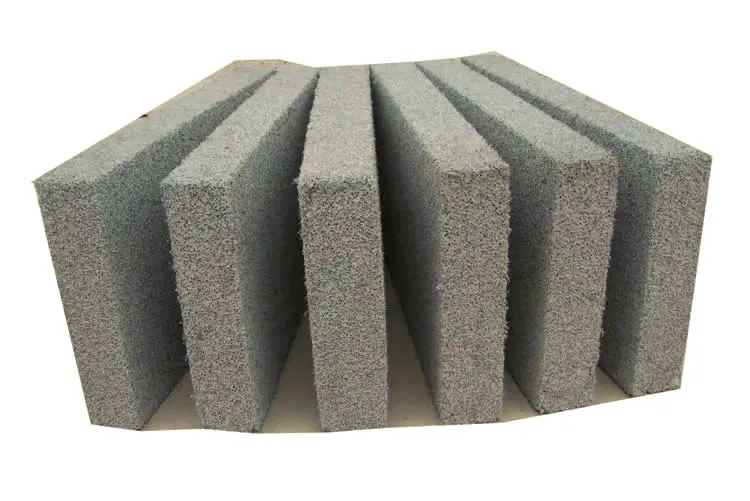
Foam concrete, as a lightweight, thermal-insulating, and environmentally friendly building material, is widely used in roof insulation, tunnel backfilling, and lightweight wall construction. The performance of foam concrete is largely determined by its additives, which regulate foam stability, mechanical strength, and construction adaptability. This article will elaborate on the core knowledge of foam concrete additives, including their definitions, key types, dosage standards, and purchasing precautions, helping you optimize material selection and avoid common pitfalls.
What Are Foam Concrete Additives?
Foam concrete additives are chemical or natural substances added to the mix during foam concrete production. They improve the material’s performance by modifying foam structure, adjusting hydration reactions, or enhancing slurry stability. Unlike basic raw materials such as cement and fly ash, additives account for a small proportion but play a decisive role in determining the final product’s density, compressive strength, thermal conductivity, and durability. According to functional differences, they can be divided into foaming agents, foam stabilizers, strength enhancers, and performance modifiers.
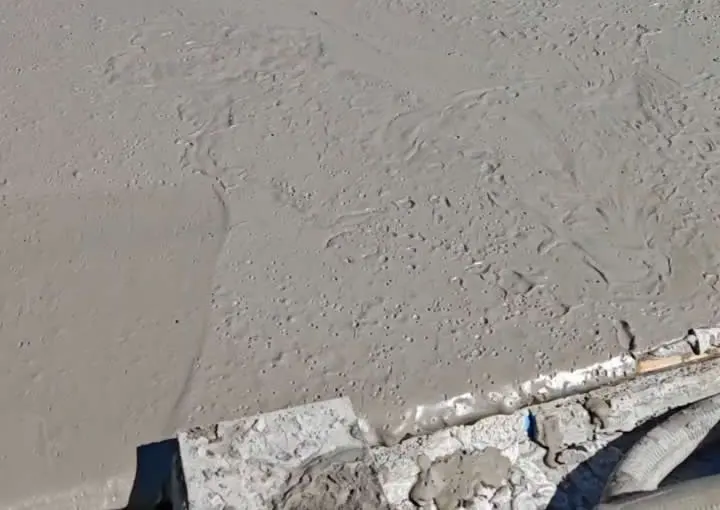
Core Foam Concrete Additives: Types & Dosage Standards
The selection and dosage of additives directly affect the quality of foam concrete. Below are the most commonly used core additives, their characteristics, and scientific dosage ranges.
1.Foaming Agents: The Core of Porous Structure Formation
Foaming agents are the key to generating stable bubbles in foam concrete, forming a uniform cellular structure that reduces density and improves insulation. They are mainly classified into protein-based, synthetic, and composite types, each with distinct applicability.
- 1)Protein-based Foaming Agents: Extracted from hydrolyzed animal or plant proteins, they produce fine, high-stability bubbles with excellent compatibility with cement. Suitable for thermal insulation projects such as floor heating and roof insulation.
- Dosage: 0.5%-2% of the cement mass. When preparing foam concrete with a density of 300kg/m³, the ratio of cement:water:foaming agent is 230kg:140kg:1kg; for 600kg/m³ density, the ratio is 450kg:300kg:0.6kg
It is recommended to dilute with water at a ratio of 1:30-50 before use to optimize foaming efficiency.
- 2)Synthetic Foaming Agents: Composed of synthetic surfactants (e.g., sodium lauryl sulfonate), they offer high foaming multiples (up to 40-50 times) and stable performance across different construction environments. Widely used in commercial buildings and industrial backfilling.
- Dosage: 0.3%-1.5% of the cement mass. Synthetic foaming agents often require higher dilution ratios (1:50-100) to avoid excessive concentration affecting foam quality.
- 3)Aluminum Powder (Chemical Foaming Agent): Reacts with calcium hydroxide in cement slurry to generate hydrogen gas, forming dense pores. Suitable for aerated concrete blocks and high-strength lightweight components.
- Dosage: About 0.5kg/m³ for fly ash aerated concrete; for sand aerated concrete, the dosage is adjusted based on the required density, with a solid content requirement of over 70% .Note that the gas generation time should be delayed by 1-3 minutes to match the construction process.
2.Foam Stabilizers: Extend Foam Lifespan
Foam stabilizers improve the viscosity and elasticity of the foam liquid film, preventing bubble rupture and ensuring the foam maintains its shape until the cement slurry sets. Common types include cellulose ethers, proteins, and polymer compounds.
- 1)Hydroxypropyl Methylcellulose Ether (HPMC)/Hydroxyethyl Methylcellulose Ether (HEMC): Enhance slurry water retention and foam stability, reducing segregation and water secretion.
- Dosage: 0.1%-0.3% of the total dry material mass. They are often added directly to the cement slurry or mixed with foaming agents to improve overall stability
- 2)Polyacrylamide: Forms a protective film on bubble surfaces, improving self-healing ability and mechanical strength. Suitable for large-volume pouring projects.
- Dosage: 0.05%-0.1% of the cement mass, usually used in emulsion form.
3.Strength Enhancers: Improve Mechanical Properties
Foam concrete’s lightweight nature often leads to lower strength, so strength enhancers are added to improve compressive strength and durability without affecting insulation performance.
- 1)Silica Fume: Utilizes pozzolanic reactions to form additional CSH gel, filling internal pores and improving compactness.
- Dosage: 2%-8% of the total cementitious material mass. The optimal dosage is 6%, which can increase 28-day compressive strength to 2.7MPa and reduce water absorption by 2% .
- 2)Short-cut Fibers: Polypropylene fibers or steel fibers enhance crack resistance and tensile strength.
- Dosage: 0.1%-0.3% of the total mix mass, suitable for structural foam concrete components .
4.Performance Modifiers: Optimize Construction & Durability
This category includes water reducers, early strength agents, and waterproofing agents, which adjust slurry workability and long-term performance.
- 1)Water Reducers: Naphthalene sulfonate formaldehyde condensates reduce water consumption (water-cement ratio 0.4-0.6) while maintaining fluidity.
- Dosage: 0.5%-1.5% of the cement mass .
- 2)Early Strength Agents: Sulfate-based agents accelerate cement hydration, shortening curing time.
- Dosage: 1%-3% of the cement mass, suitable for cold-weather construction.
Purchasing Foam Concrete Additives: Key Pitfalls to Avoid
The foam concrete additive market lacks unified mandatory standards, leading to uneven product quality. Buyers should focus on the following points to avoid substandard products.
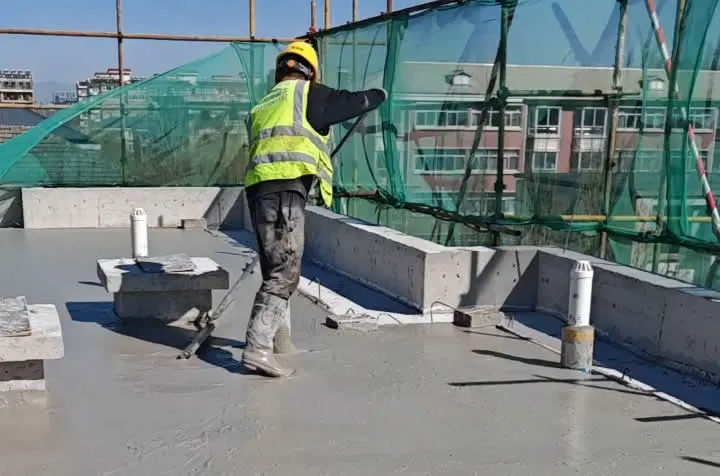
Don’t Be Misled by "Low Dosage" Claims
Some manufacturers advertise ultra-low dosage to attract customers, but dosage is closely related to water-cement ratio and additive type. For example, synthetic foaming agents have high dilution ratios but not necessarily lower actual usage than protein-based ones <superscript>1. Blindly pursuing low dosage may result in insufficient foaming, poor stability, or reduced strength. Prioritize products that provide matching dosage recommendations based on water-cement ratio and construction equipment.
Verify Core Performance Indicators
Refer to the industry standard JC/T 2199-2013 Foaming Agents for Foam Concrete to check key indicators :
- Foaming Multiple: Type A ≥20 times, Type B ≥18 times; high-quality products can reach 40 times or more <superscript>.
- Foam Stability: 1-hour bleeding volume ≤80mL, 24-hour settlement distance ≤10mm; avoid bubbles collapsing during construction .
- Compatibility: Ensure no adverse reactions with local cement (e.g., delayed setting or strength loss). Conduct small-batch tests before mass purchase.
Reject Low-Cost Inferior Products
Low-priced additives often cut costs by reducing active ingredients or adding harmful substances. For example, inferior foaming agents may contain high chloride content, causing corrosion to steel bars; unstable foam stabilizers can lead to uneven pores and reduced insulation<superscript>9. Choose products with clear ingredient lists, environmental certifications, and non-toxic testing reports (compliant with GB/T 14902 standard) .
Pay Attention to Storage & After-Sales Service
Check the product’s shelf life (usually 6-12 months) and storage requirements (sealed, cool, and dry). Avoid products with sedimentation or stratification, which indicate unstable components<superscript>3. Prioritize suppliers that offer technical support, such as on-site dosage adjustment guidance and performance testing services, to resolve construction issues promptly.
Conclusion
Foam concrete additives are the "engine" of product performance. Choosing the right type and dosage requires combining project needs (density, strength, insulation), raw material characteristics (cement type, water quality), and construction conditions. When purchasing, focus on performance indicators, avoid price traps, and conduct practical tests to ensure product suitability. With scientific selection and application of additives, foam concrete can fully exert its advantages in energy conservation and environmental protection, creating greater value for construction projects.

Posted by Melacollleave words
Hi, I'm Ella, I have been engaged in the cellulose ether industry for 12 years.

Leave a Reply