
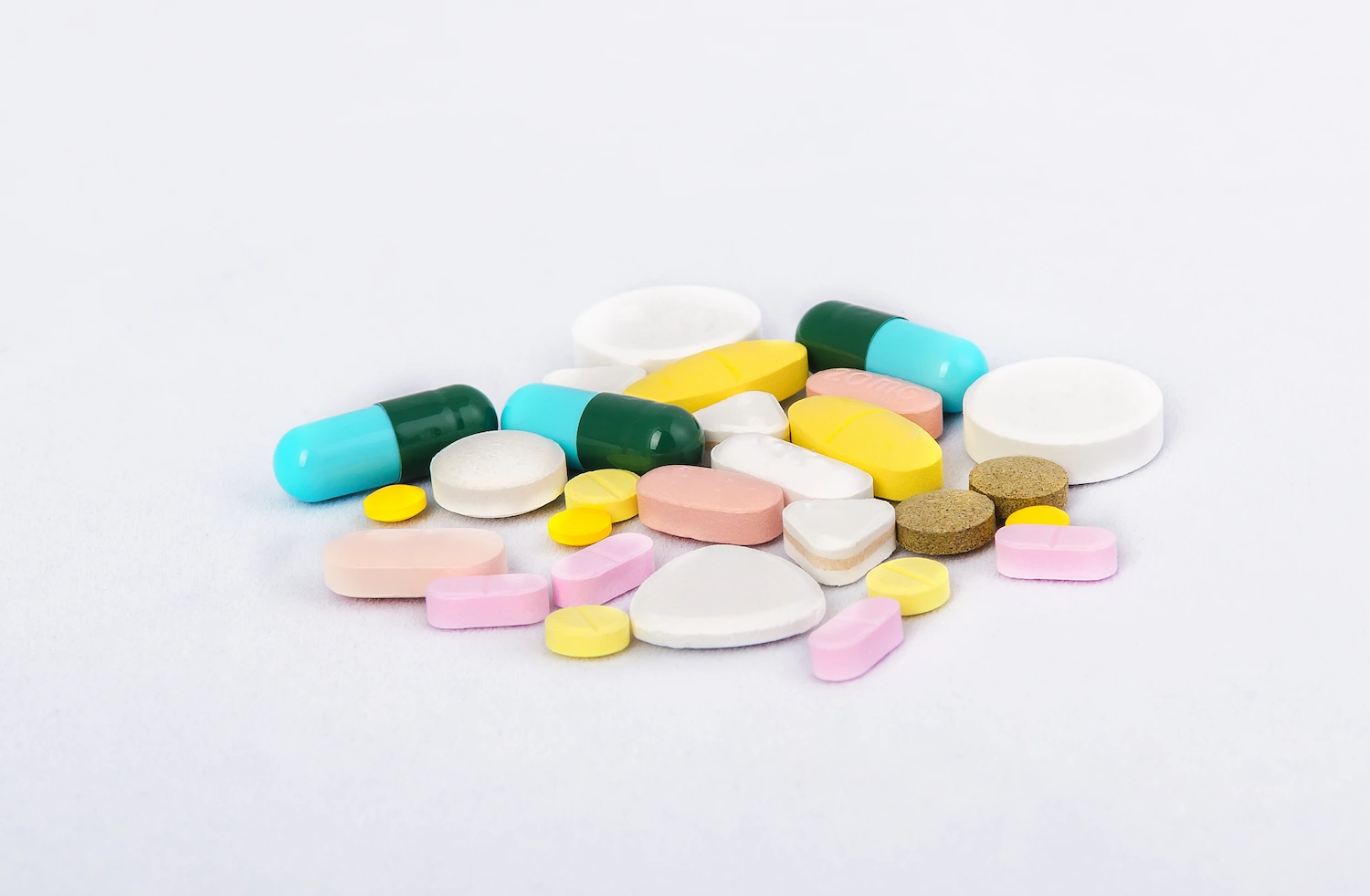
In the modern pharmaceutical industry, drug quality depends not only on the active ingredients themselves but also critically on the selection of excipients. Hydroxypropyl Methylcellulose (HPMC), a mature and stable pharmaceutical excipient, has been widely adopted in tablets, capsules, sustained-release formulations, and various topical and oral dosage forms.
For those seeking reliable HPMC suppliers, gaining a deeper understanding of its application value in the pharmaceutical sector facilitates more informed procurement decisions.
What Is Hydroxypropyl Methylcellulose (HPMC)?
Hydroxypropyl Methylcellulose is a non-ionic cellulose ether derived from natural refined cotton cellulose. Through a controlled etherification process, hydroxyl groups in cellulose are partially substituted with methoxy and hydroxypropyl groups. The result is a white or off-white powder that is odorless, non-toxic, and highly stable.
Pharmaceutical grade HPMC dissolves in cold water to form a clear or slightly opalescent solution. It does not react easily with most drug substances because of its chemical inertness. This makes it highly compatible with a wide range of APIs and other excipients.
One of the key features of HPMC is that it is available in different viscosity grades. By adjusting molecular weight and substitution levels, manufacturers can produce HPMC suitable for specific applications such as tablet binding, film coating, sustained release matrices, capsules, gels, and suspensions.

Why HPMC Is Important in Modern Drug Formulation
Today’s pharmaceutical market demands more than just effective medication. Products must be stable, easy to manufacture, visually appealing, and capable of delivering drugs at controlled rates. HPMC helps meet these requirements.
Because it is stable against heat, light, and moisture, HPMC improves the shelf life of finished products. Its film-forming ability enhances the appearance and protection of tablets. Its swelling and gel-forming properties allow precise control over drug release. These combined benefits make HPMC one of the most versatile excipients available.
HPMC as a Binder and Disintegrant in Tablets
Tablets remain the most common dosage form worldwide. In tablet manufacturing, HPMC is frequently used as a binder. During granulation, HPMC solution helps powder particles adhere together, forming granules with improved mechanical strength. This enhances compressibility and reduces problems such as capping or lamination.
When used in appropriate concentrations, HPMC contributes to consistent tablet hardness and uniform structure. At lower viscosity grades, HPMC can also function as a disintegrant. After ingestion, it absorbs water and swells, helping the tablet break apart and release the active ingredient.
The flexibility of HPMC allows formulators to balance tablet strength and disintegration time by selecting the correct viscosity grade and dosage level. This is one reason pharmaceutical manufacturers carefully specify HPMC grades in procurement documents.
HPMC for Film Coating Applications
HPMC possesses excellent film-forming properties, making it one of the most commonly used tablet coating materials. It forms a uniform, transparent, and resilient film on the tablet surface, enhancing the drug's visual quality.
This coating not only improves the aesthetic appeal of the medication but also enhances product stability. For drugs prone to moisture absorption or environmental sensitivity, HPMC coating provides protective benefits. Compared to traditional gelatin-based materials, HPMC coatings demonstrate superior stability, minimizing issues like cracking or sticking during storage.
In practical production, coating effectiveness is closely tied to the viscosity grade of HPMC. Selecting the appropriate specification reduces the need for process adjustments during manufacturing.
HPMC in Sustained Release and Controlled Release Formulations
With advances in pharmaceutical technology, sustained-release and controlled-release formulations have become mainstream in the market. As a backbone material, HPMC plays a central role in these formulations.
When HPMC-containing tablets come into contact with moisture, a gel layer forms on the surface. This gel layer regulates the rate of moisture penetration into the core while restricting drug diffusion outward, thereby achieving sustained release. By adjusting HPMC viscosity and incorporation ratios, diverse release profiles can be engineered.
This controlled-release mechanism extends therapeutic duration, reduces dosing frequency, and helps maintain stable blood concentrations. These advantages are particularly significant for chronic disease management requiring long-term medication.
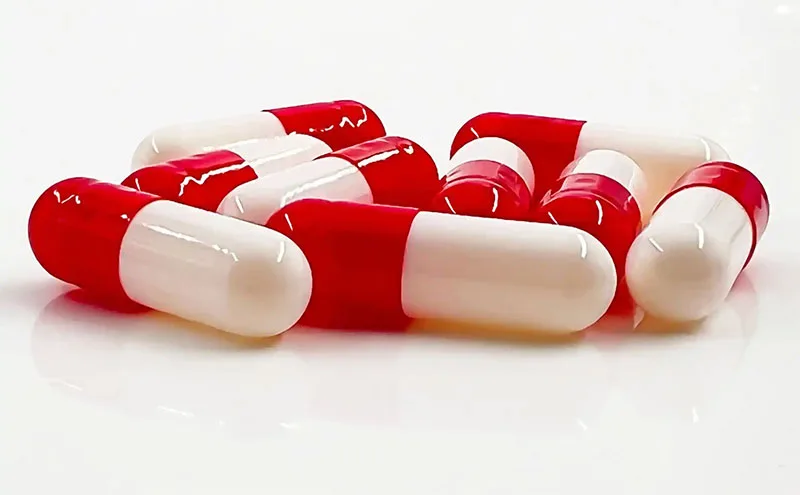
HPMC Capsules as an Alternative to Gelatin Capsules
Traditional hard capsules are typically made from gelatin. However, gelatin capsules can be sensitive to humidity and may undergo cross-linking under certain storage conditions. As a result, HPMC capsules have gained significant market attention.
HPMC capsule shells offer improved stability in various environmental conditions. They are less prone to moisture-related issues and provide consistent disintegration performance. Because HPMC is plant-derived, these capsules are also suitable for vegetarian, vegan, and certain religious markets.
As consumer awareness increases and regulatory standards evolve, demand for HPMC capsule materials continues to grow worldwide.
HPMC as a Suspending and Thickening Agent
In liquid formulations such as oral suspensions and topical preparations, maintaining uniform distribution of solid particles is essential. HPMC increases the viscosity of the dispersion medium, reducing sedimentation rates and improving stability.
When used as a suspending agent, HPMC helps ensure that the active ingredient remains evenly distributed throughout the product. It also enhances redispersibility, so patients can easily shake the bottle and restore uniform consistency.
In gels and semi-solid dosage forms, HPMC acts as a thickener and base material. It produces clear, smooth gels suitable for ophthalmic, nasal, and dermatological applications. Its safety profile and compatibility make it a preferred choice for sensitive formulations.
Key Factors to Consider When Buying Pharmaceutical Grade HPMC
Pharmaceutical companies should evaluate HPMC products based on viscosity grade, degree of substitution, particle size distribution, and moisture control. Different dosage forms have distinct requirements for HPMC, necessitating clear product positioning before procurement.
Consistent batch quality control is equally critical. As a key excipient, significant batch-to-batch variations in HPMC directly impact formulation consistency. Selecting suppliers with robust quality management systems minimizes downstream production risks.
Future Outlook of HPMC in the Pharmaceutical Industry
As drug delivery technologies continue to advance, the demand for reliable and multifunctional excipients will grow. HPMC’s versatility ensures that it will remain a key material in both conventional and innovative formulations.
From immediate-release tablets to sophisticated controlled-release systems and plant-based capsules, HPMC supports the evolving needs of the pharmaceutical industry. Its safety profile, functional adaptability, and global regulatory acceptance make it a strategic material for manufacturers worldwide.
Conclusion
Hydroxypropyl Methylcellulose is far more than a simple filler. It is a multifunctional pharmaceutical excipient that enhances tablet strength, improves film coating quality, enables sustained release, stabilizes suspensions, and supports capsule production.
For pharmaceutical companies, choosing the right HPMC grade directly influences product performance and manufacturing efficiency. By understanding its properties and applications, buyers can make informed sourcing decisions and build long-term partnerships with trusted HPMC suppliers.
If you are looking for high-quality pharmaceutical grade HPMC tailored to your specific formulation needs, selecting a supplier with strong technical support and consistent quality control will give your products a competitive edge in today’s demanding market.

Posted by Melacollleave words
Hi, I'm Ella, I have been engaged in the cellulose ether industry for 12 years.

Leave a Reply