
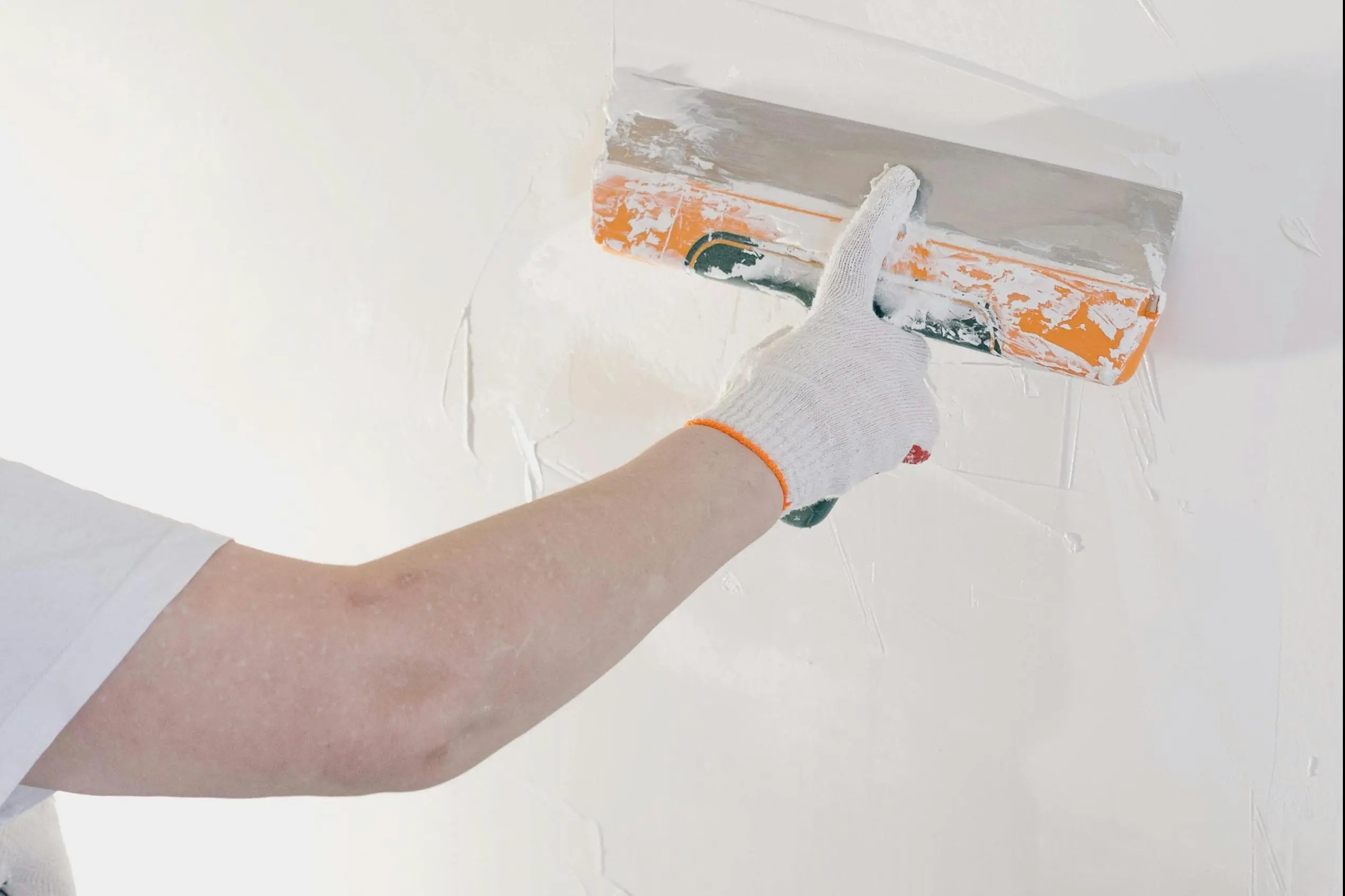
In modern building exterior insulation systems, rendering mortar serves as a critical layer. It not only protects the insulation layer but also directly impacts the exterior wall's durability, crack resistance, and construction quality.
To enhance the stability and workability of skim coat mortar, functional additives are commonly incorporated during production. Among these, hydroxypropyl methylcellulose (HPMC) stands as the most prevalent and significant additive.
So, what exactly is the role of HPMC in rendering mortar? Why is it used in nearly all high-quality dry-mix mortars? This article explains it in simple, easy-to-understand terms.
What Is Hydroxypropyl Methylcellulose (HPMC)?
Hydroxypropyl methylcellulose, usually abbreviated as HPMC, is a type of cellulose ether derived from natural plant cellulose. Through chemical modification, the cellulose structure becomes water-soluble and gains special functional properties.
When HPMC powder is mixed with water, it forms a stable solution with thickening and water-retaining characteristics. Because of these properties, HPMC is widely used in many industries, including:
- Construction materials
- Paints and coatings
- Pharmaceutical products
- Personal care products
- Food processing
In the construction industry, HPMC is commonly used in dry mix mortar products, such as:
- Tile adhesives
- Wall putty
- Self-leveling compounds
- Repair mortars
- Rendering mortar
In these materials, HPMC helps control water movement, improve the texture of the mixture, and stabilize the mortar during application.
What Is Rendering Mortar?
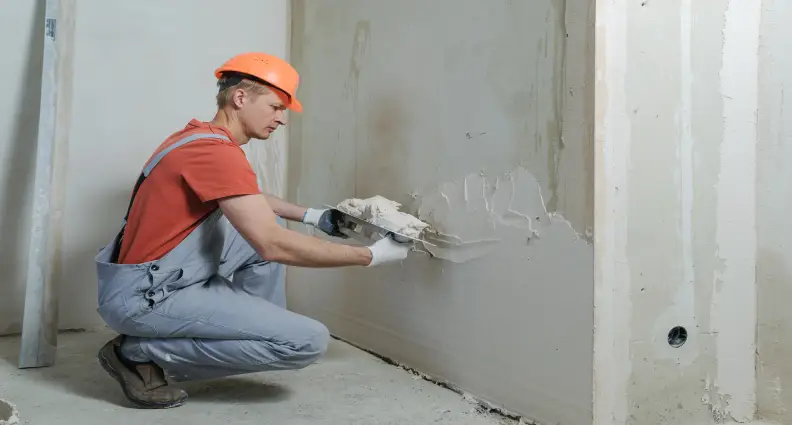
Rendering mortar is a cement-based material used to create a protective and decorative coating on walls. It is commonly applied to exterior surfaces to improve both appearance and durability.
In modern building systems, rendering mortar is often used in external insulation systems where insulation boards such as EPS or XPS panels are installed on the wall. The rendering mortar layer covers the insulation and works together with fiberglass mesh to create a protective reinforcement layer.
A typical rendering mortar formulation may contain:
- Cement
- Fine aggregates such as quartz sand
- Redispersible polymer powder (RDP)
- Cellulose ether (HPMC)
- Fillers and functional additives
- Fibers such as polypropylene fiber
Because rendering mortar is usually applied as a thin coating, it can be sensitive to drying conditions and substrate absorption. Without proper additives, the mortar may lose water too quickly, leading to poor adhesion or cracking.
This is why additives like HPMC are essential in high-quality rendering mortar formulations.
What Does HPMC Do in Rendering Mortar?
HPMC (hydroxypropyl methylcellulose) is a key additive used in rendering mortar to improve water retention, workability, and adhesion. It helps the mortar retain moisture during application, allowing proper cement hydration and stronger bonding to the substrate. HPMC also improves the consistency of the mixture, making rendering mortar easier to apply and reducing the risk of cracking.
Why HPMC Is Important in Rendering Mortar
Traditional cement mortars often suffer from several common problems during construction:
- Water evaporates too quickly
- The mixture becomes difficult to spread
- Adhesion to substrates may be insufficient
- Cracking may occur after drying
In rendering mortar, it primarily serves these key functions:
- Enhances water retention
- Improves workability
- Boosts bonding strength
- Enhances flexibility
Simply put, HPMC makes mortar easier to apply, more stable, and more durable.
Improved Water Retention
One of the most important roles of HPMC in rendering mortar is water retention.
When rendering mortar is applied to a wall surface, water can quickly be absorbed by the substrate or lost through evaporation. If the mortar dries too fast, cement hydration may be incomplete, which can weaken the structure of the material.
HPMC helps prevent this problem by forming a microscopic network that holds water inside the mortar mixture. This slows down water loss and allows the cement to hydrate more completely.
Better water retention provides several advantages:
- More stable cement hydration
- Improved bonding between mortar and substrate
- Longer open time for application
- Reduced risk of early cracking
For construction workers, this means the mortar remains workable for a longer period, making the application process easier and more reliable.
Better Workability and Application Performance
Another major advantage of HPMC in rendering mortar is the improvement of workability.
Workability refers to how easily mortar can be mixed, spread, and finished during construction. Mortar that is too stiff can be difficult to apply, while mortar that is too fluid may slide down vertical surfaces.
HPMC helps regulate the flow behavior of the mixture by increasing viscosity and improving cohesion.
As a result, rendering mortar becomes:
- Easier to mix with water
- Smoother to spread on wall surfaces
- More stable during application
- Less likely to sag or slide
These improvements help construction workers achieve a uniform and smooth coating layer, which is essential for rendering mortar used in exterior wall finishing.
Enhanced Adhesion to Substrates
Strong adhesion is essential for rendering mortar because the material must bond securely to the underlying surface. Depending on the construction system, rendering mortar may be applied to:
- Concrete walls
- Masonry surfaces
- Cement boards
- Insulation boards such as EPS
If adhesion is poor, the rendering layer may detach from the surface, leading to serious durability problems.
HPMC contributes to improved adhesion in several ways.
First, its water retention ability ensures that cement hydration occurs properly at the interface between mortar and substrate. Second, improved workability allows the mortar to spread more evenly, increasing contact with the surface.
In modern rendering mortar formulations, HPMC is often used together with redispersible polymer powder. When mixed with water, polymer powder forms flexible polymer films within the mortar structure. These films significantly improve bonding strength and flexibility.
The combination of HPMC and polymer powder is therefore widely used in high-performance dry mix mortar products.
Rheology Control and Stability
HPMC also plays an important role in controlling the rheology of rendering mortar.
Rheology describes how a material flows under different conditions. In construction applications, mortar must behave differently during mixing and after application.
For example:
- The mixture should flow easily when being mixed or spread
- It should remain stable once applied on a vertical surface
HPMC helps achieve this balance by providing thixotropic behavior. This means the mortar becomes easier to move when mechanical force is applied, but quickly becomes stable again when the force stops.
This property helps prevent several common construction issues:
- Slumping or sagging
- Separation of materials
- Uneven coating thickness
As a result, rendering mortar can maintain a stable layer even on vertical walls.
Support for Crack Resistance
Exterior wall coatings are exposed to various stresses throughout their service life. These stresses may come from:
- Temperature changes
- Structural movement
- Moisture variations
- Drying shrinkage
Traditional cement mortars are relatively brittle, which means they may crack when exposed to these conditions.
Although HPMC itself is not a reinforcing material, it contributes indirectly to crack resistance in rendering mortar.
By improving water retention, HPMC reduces rapid drying and shrinkage. By improving workability, it helps create a more uniform coating layer during construction.
When used together with polymer modifiers and reinforcing fibers, these effects help create a more flexible and durable rendering mortar system.
Typical Dosage of HPMC in Rendering Mortar
In most rendering mortar formulations, HPMC is added in small amounts relative to the total mixture.
The exact dosage depends on several factors, including:
- Desired viscosity and workability
- Type of aggregates used
- Cement composition
- Other additives in the formulation
Manufacturers usually adjust the dosage during product development to achieve the best balance between performance and cost.
Although the dosage is relatively small, selecting the correct HPMC grade is critical for maintaining consistent product quality.
Choosing the Right HPMC for Rendering Mortar
Different grades of HPMC have different physical properties, such as viscosity and substitution levels. These differences can influence the behavior of rendering mortar.
When selecting HPMC for rendering mortar formulations, manufacturers typically consider the following factors.
Viscosity
Viscosity determines how thick the HPMC solution becomes when mixed with water. Higher viscosity products generally provide stronger thickening and water retention effects.
Water Retention Performance
High-quality HPMC should maintain stable water retention even under different environmental conditions.
Dispersibility
Good dispersibility allows HPMC powder to dissolve quickly during mixing, preventing lumps and ensuring uniform distribution in the mortar.
Compatibility with Other Additives
HPMC should work well with other ingredients in the formulation, especially redispersible polymer powder, defoamers, and fillers.
Working with an experienced supplier can help ensure consistent quality and reliable technical support.
The Role of HPMC in Modern Dry Mix Mortar Technology
In recent decades, the construction industry has increasingly adopted factory-produced dry mix mortars instead of traditional site-mixed materials.
Dry mix mortars offer several advantages:
- Consistent quality
- Improved efficiency
- Easier transportation and storage
- Better performance control
Functional additives such as HPMC play a key role in making these advanced materials possible.
By improving water retention, workability, and stability, HPMC transforms simple cement mixtures into high-performance construction materials suitable for modern building systems.
Conclusion
Hydroxypropyl methylcellulose (HPMC) is one of the most important additives used in rendering mortar and other dry mix construction materials.
Although it is added in relatively small amounts, its influence on mortar performance is significant. HPMC improves water retention, enhances workability, supports adhesion, and helps stabilize the mortar mixture during construction.
When used together with redispersible polymer powder and other functional additives, HPMC contributes to a balanced formulation that provides both durability and ease of application.
As construction technology continues to evolve, HPMC will remain a key component in the development of high-quality rendering mortar and modern dry mix mortar systems.
Frequently Asked Questions
1. What is HPMC used for in rendering mortar?
HPMC is used in rendering mortar to improve water retention, workability, and bonding performance. It helps the mortar stay workable for longer during application and ensures proper cement hydration, which improves overall durability.
2. Why is water retention important in rendering mortar?
Water retention allows cement to hydrate properly. If water evaporates too quickly, the mortar may lose strength and develop cracks. HPMC helps keep moisture in the mixture, ensuring stable curing conditions.
3. Can HPMC be used together with redispersible polymer powder?
Yes. HPMC is commonly used together with redispersible polymer powder in dry mix mortar formulations. HPMC improves water retention and workability, while polymer powder enhances flexibility and adhesion.
4. What factors affect the dosage of HPMC in rendering mortar?
The dosage of HPMC depends on the mortar formulation, including sand gradation, cement type, and desired viscosity. Manufacturers usually adjust the amount during product development to achieve optimal performance.
5. Why is HPMC important in dry mix mortar technology?
HPMC plays a key role in modern dry mix mortar because it improves consistency, stability, and workability. This allows manufacturers to produce high-quality mortars with reliable performance.

Posted by Melacollleave words
Hi, I'm Ella, I have been engaged in the cellulose ether industry for 12 years.

Leave a Reply