
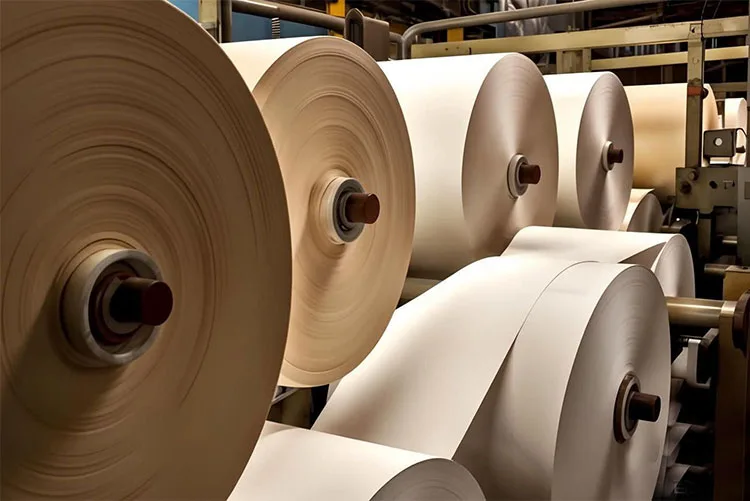
I. Primary Applications of Hydroxyethyl Cellulose in Papermaking
Hydroxyethyl cellulose is a nonionic water-soluble polymeric cellulose ether possessing multiple properties such as thickening, water retention, dispersion, and film formation. In the papermaking industry, it serves as a versatile papermaking additive widely applied across various processes including pulping, papermaking, and surface sizing. It effectively enhances paper properties and optimizes production processes.
1. Pulping Process: Fiber Dispersion and Retention/Drainage Aid
During pulping, Hydroxyethyl cellulose functions as a fiber dispersant added to pulp. Its molecular chains adsorb onto fiber surfaces, creating steric hindrance that prevents fiber flocculation and ensures uniform distribution within the pulp. Simultaneously, Hydroxyethyl cellulose enhances retention rates of fine fibers and fillers (e.g., calcium carbonate, talc), accelerates drainage speed at the wire section, improves paper machine efficiency, and reduces raw material waste.
Appropriate hydroxyethyl cellulose addition during pulping leverages its binding properties to create uniform inter-fiber layers, strengthening cohesion and bonding—particularly beneficial for high-strength papers like packaging and industrial grades. Hydroxyethyl cellulose also regulates pulp fluidity and viscosity, optimizing uniformity and preparing the foundation for subsequent forming processes.
2. Paper Making Process: Enhancing Paper Strength and Improving Formability
When used as a paper strength enhancer, Hydroxyethyl cellulose's molecular chains form hydrogen bonds with fibers, strengthening inter-fiber bonding. This boosts both dry strength (tensile strength, bursting strength, tear strength) and wet strength, making it ideal for producing thin papers, cultural papers, and packaging papers. Additionally, Hydroxyethyl cellulose improves sheet formation uniformity, reducing defects like two-sidedness, pinholes, and voids.
3. Surface Sizing Process: Enhancing Surface Properties and Printability
As a surface sizing agent component, Hydroxyethyl cellulose forms a dense, uniform protective film on the paper surface, significantly improving surface smoothness and flatness. This enhances writing comfort and printability. Widely used in printing papers and writing papers for cultural applications, it produces clearer, more refined printed patterns while reducing ink bleed.

4. Coating Applications
In the production of coated papers like art paper and light-coated paper, Hydroxyethyl cellulose serves as a thickener and water-retention agent for coatings. It effectively controls coating viscosity, prevents pigment settling, and slows water evaporation, ensuring uniform coating distribution on the base paper. Its excellent compatibility allows use with most gums, resins, and inorganic salts, reducing foaming during coating and enhancing gloss and adhesion.
5. Specialty Paper Production: Functional Modification Additives
For specialty papers like archival paper, security paper, and waterproof paper, Hydroxyethyl cellulose offers tailored benefits: enhancing chemical stability and extending shelf life in archival paper; boosting strength and facilitating anti-counterfeiting fiber integration in security paper; synergizing with waterproofing agents in waterproof paper to maintain flexibility and strength while ensuring water resistance.
II. Advantages of Hydroxyethyl Cellulose in Papermaking
1. Enhancing Paper Uniformity
Uneven dispersion of fibers in pulp can cause defects such as uneven thickness and spots in paper. Hydroxyethyl cellulose's dispersing action ensures uniform fiber suspension, significantly improving sheet formation quality. It is particularly suitable for producing high-uniformity cultural papers and thin sheets.
2. Strengthening Paper Properties and Expanding Applications
Low-grammage papers (e.g., lightweight papers) or recycled fiber pulp commonly suffer from insufficient strength. Adding HEC enhances inter-fiber bonding through hydrogen bonding, compensating for the strength limitations of recycled fibers. This enables papers to meet demands for printing, packaging, and other applications.
3. Improving Papermaking Efficiency and Reducing Production Costs
Hydroxyethyl cellulose's retention and drainage properties improve filler retention (reducing filler loss), accelerate drainage speed in the wire section, shorten sheet drying time, and increase paper machine speed. Simultaneously, it lowers white water concentration, reducing wastewater treatment pressure.
4. Ensuring Stable Printing Quality
Unsized or poorly sized paper often exhibits issues like show-through, lint shedding, powder shedding, and rapid ink penetration during printing. Surface sizing with Hydroxyethyl cellulose forms a protective film that enhances paper surface strength and ink adhesion, ensuring consistent print quality.
5. Resolving Functional Instability in Specialty Papers
In specialty paper production, Hydroxyethyl cellulose acts as a stabilizer, ensuring uniform dispersion and preventing settling of coating components. This enhances functional stability in specialty papers—such as color development sensitivity in thermal paper and release consistency in release paper.
III. How to Select High-Quality Hydroxyethyl Cellulose
High-quality Hydroxyethyl cellulose must exhibit high purity, excellent water solubility, and stable performance. Buyers can evaluate and select products based on the following six criteria:
1. Define Product Technical Specifications to Match Papermaking Process Requirements
Appearance and Purity: Premium Hydroxyethyl cellulose should be a white to pale yellow free-flowing powder, odorless with no visible impurities. It must pass 100% through a S.20 mesh screen, with water-insoluble content ≤0.5%. This prevents impurities from compromising paper surface quality and process stability.
Molar Substitution Degree (S): The value should range between 1.8 and 3.0. Substitution degree directly impacts water solubility, bonding strength, and film-forming properties. Too low results in poor water solubility, while too high may cause abnormal viscosity. Select the appropriate range based on specific papermaking stages.
Viscosity Performance: Viscosity of a 2% aqueous solution at 25°C must fall within 5–150,000 mPa·s. For pulp addition, choose medium-to-low viscosity grades; for coating processes, select medium-to-high viscosity grades to ensure thickening and water retention effects.
Light Transmittance and Stability: Light transmittance ≥80% reflects product purity and solubility; moisture content ≤10%, volatile matter content <5% prevent caking and degradation during storage and use; pH controlled between 0-8.5 avoids disrupting pulp acid-base balance.
Different papermaking processes have distinct Hydroxyethyl cellulose specification requirements. Key parameters to prioritize include:
| Technical Indicators | Application Requirements | Low-quality product defects |
| Replacement Degree(DS) | Recommended HEC substitution degree for papermaking: 1.5–2.0. This range offers optimal water solubility and dispersibility. | Substitution degree too low: Poor water solubility, prone to caking; Substitution degree too high: Unstable viscosity, relatively high cost. |
| viscosity | Pulp / Paper Making: Select 100–1000 mPa·s (low-to-medium viscosity); Surface Sizing: Select 2000–60000 mPa·s (medium-to-high viscosity) | Significant viscosity fluctuations: Resulting in unstable production processes and substantial batch-to-batch variations in paper properties. |
| Moisture content | ≤5% | Excessive moisture content: Prone to deliquescence and caking, which impairs dissolution rate and reduces active ingredient content. |
| Ash content | ≤1% | Excessive ash content: Introduces impurities that affect paper brightness and strength, clogging the filters in papermaking equipment. |
2. Test water solubility and dispersibility, observe dissolution state
Water solubility is a key performance indicator for high-quality Hydroxyethyl cellulose. The testing method is as follows:
Take a specified amount of Hydroxyethyl cellulose sample and slowly add it to room-temperature water at a concentration of 1%-2%, stirring thoroughly;
High-quality performance: Rapid dissolution with no noticeable lumps or fish eyes. The resulting aqueous solution is uniformly transparent, showing no separation or precipitation after 24 hours of standing.
Low-quality performance: Slow dissolution prone to forming insoluble hard lumps. The aqueous solution appears cloudy, with separation or precipitation occurring after standing.
3. Verify Product Stability to Avoid Batch Variations
Paper production demands exceptional stability from additives. Buyers may request suppliers to provide multiple batch samples for testing the following stability parameters:
Viscosity Stability: Prepare solutions of identical concentration from different HEC batches and test viscosity deviation, which should be ≤5%.
Acid/alkali resistance: Observe viscosity changes in HEC solutions across the typical papermaking pH range (6-8). High-quality products exhibit minimal viscosity fluctuation, while low-quality products hydrolyze readily in acidic/alkaline environments, causing rapid viscosity decline.
4. Assess purity and impurity content to mitigate hidden risks
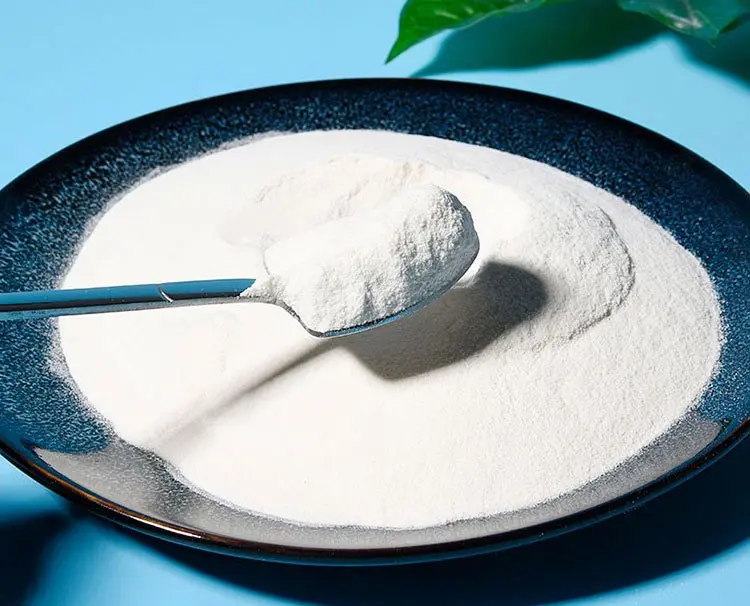
Visual inspection: High-quality Hydroxyethyl cellulose appears as white or pale yellow powder with no visible impurities or black specks. If yellowish, grayish, or containing granular impurities, purity likely fails standards.
Request third-party test reports: Require suppliers to provide reports from authoritative institutions, focusing on purity, heavy metal content, residual solvents, etc., to ensure compliance with papermaking industry environmental standards (e.g., food contact paper must meet GB 4806 requirements).
5. Select specialized grades based on application scenarios
Different paper categories have varying Hydroxyethyl cellulose requirements; avoid indiscriminately purchasing generic products:
For cultural and office paper production: Prioritize medium-to-low viscosity, high-substitution Hydroxyethyl cellulose to enhance dispersion and strength.
For packaging paper and kraft paper production: Choose high-viscosity Hydroxyethyl cellulose to reinforce bursting strength and wet strength.
For specialty paper production: Request customized grades from suppliers. For example, thermal paper-specific Hydroxyethyl cellulose must exhibit excellent film-forming properties and dispersibility.
6. Procurement pitfalls: Verify reputable suppliers and prioritize after-sales service
Verify supplier credentials: Select formal manufacturers like Mikem Chemical with production licenses and R&D capabilities to avoid substandard products from small workshops. Quality suppliers offer sample testing, technical support, and assistance in optimizing addition processes.
Request samples for trial production: Before bulk orders, obtain samples for machine testing to validate Hydroxyethyl cellulose's performance in actual production (e.g., paper strength improvement, retention rate changes, printability enhancements), preventing losses from product mismatches.
Beware of low-price traps: Low-cost Hydroxyethyl cellulose often suffers from low purity and falsified specifications. While initial procurement costs may be low, it leads to reduced paper quality and decreased production efficiency, ultimately increasing overall costs.
Hydroxyethyl cellulose effectively addresses core issues in papermaking such as fiber dispersion, insufficient strength, and poor printability. Selecting high-quality products hinges on matching process specifications, verifying water solubility and stability, and choosing reputable suppliers. Buyers are advised to screen products based on their specific paper categories and process requirements through parameter verification and sample trials to achieve cost reduction, efficiency gains, and enhanced paper quality.

Posted by Melacollleave words
Hi, I'm Ella, I have been engaged in the cellulose ether industry for 12 years.

Leave a Reply